
Stay Cool and Calm with Fire-Resistant Wall Insulation
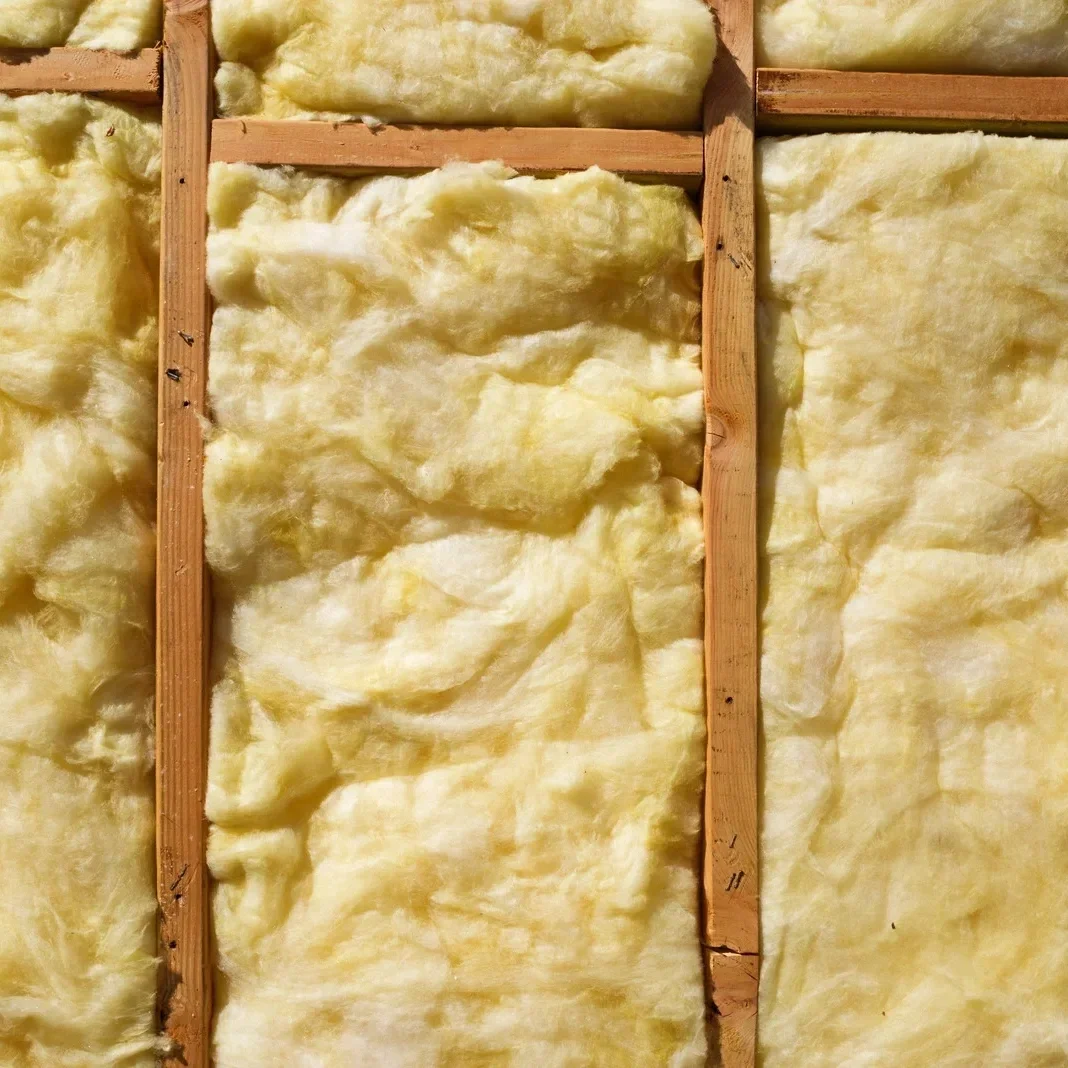
hile no one invites fire to the party, having fire-resistant insulation is like having a bouncer who’s always ready to toss troublemakers out before things get heated.
Fire-resistant wall insulation sounds like the superhero of home comfort and safety—quietly standing guard between your walls and potential disaster. It doesn’t just block temperature swings or keep noise at bay. It actively fights flames and heat, slowing their advance and giving occupants more time to stay safe and calm. While no one invites fire to the party, having fire-resistant insulation is like having a bouncer who’s always ready to toss troublemakers out before things get heated.
How Fire-Resistant Wall Insulation Works
Fire-resistant insulation uses materials designed to resist burning and withstand high temperatures. Unlike ordinary insulation, which can fuel a blaze like kindling under a campfire, fire-resistant varieties act more like fire-retardant armor. Common materials include mineral wool, fiberglass, and certain foam products treated with flame retardants. Mineral wool, spun from volcanic rock and steel slag, naturally resists fire and can tolerate temperatures far beyond the reach of ordinary combustibles. Fiberglass resists heat while preventing flames from spreading through your walls. Some foam insulation contains additives that slow combustion or self-extinguish when exposed to fire.
Choosing fire-resistant materials turns walls into protective shields that help contain fire and reduce smoke spread—two key factors in preventing damage and protecting lives during emergencies.
The Role of Wall Insulation Services in Fire Safety
Professional wall insulation services install fire-resistant insulation with the precision and care needed to maximize its effectiveness. Proper fitting without gaps or compression is crucial, because uneven or poorly installed insulation can create weak spots where heat and flames can sneak through. Professionals ensure the insulation tightly hugs every corner and cavity, transforming walls into nearly impenetrable fire barriers.
In addition to installing fire-resistant materials, professionals understand building codes and safety regulations. They recommend the best materials suited to your home's unique construction, balancing fire resistance with energy efficiency and noise control.
Fire-Resistant Insulation and Energy Efficiency: A Dynamic Duo
Fire safety doesn’t mean sacrificing comfort. Fire-resistant insulation can contribute to a home’s energy efficiency, keeping indoor temperatures steady without the drama of unexpected heat spikes or cold drafts. Mineral wool and fiberglass have excellent thermal properties, so they keep heating and cooling bills in check while protecting against fire risks. That combination means a home that stays cozy and calm, regardless of the weather outside.
The Science of Fire and Insulation
Fire spreads by transferring heat through conduction, convection, and radiation. Insulation fights back by acting as a barrier to heat conduction and slowing oxygen flow, which fuels the fire. Mineral wool’s dense structure traps air pockets that resist heat transfer. Fire-resistant foam products often contain chemical additives that release flame-inhibiting gases or create char layers that protect underlying materials.
Understanding the science behind fire-resistant insulation reveals why its proper installation becomes a critical component of any home safety strategy. It’s a quiet, invisible shield doing heroic work behind the scenes.
Common Areas That Benefit Most from Fire-Resistant Wall Insulation
Kitchens and utility rooms are high-risk areas for fires due to cooking appliances, electrical panels, and heating systems. Walls near these areas benefit immensely from fire-resistant insulation. Installing fire-resistant materials in garages and basements also reduces fire risks, especially where fuel, paint, or other flammable substances may be stored.
Between floors and walls separating bedrooms or living areas, fire-resistant insulation can delay the spread of fire and protect escape routes. Fire-resistant walls aren’t just about damage prevention—they’re about safeguarding families and giving everyone precious extra seconds when seconds count.
How Fire-Resistant Insulation Fits with Modern Building Codes
Building codes continue to evolve, reflecting advances in fire safety science and materials technology. Many jurisdictions require specific fire-resistant ratings for wall insulation in new constructions and renovations. Compliance involves using products that have been tested and certified to meet standards such as ASTM E84, which assesses flame spread and smoke development.
Professional installers stay current with codes and advise clients on compliant options. Their expertise removes the guesswork and guarantees the fire-resistant wall insulation meets or exceeds local safety requirements.
Fire-Resistant Insulation vs. Fireproofing: What’s the Difference?
“Fire-resistant” and “fireproof” sometimes get used interchangeably, but they aren’t quite the same. Fire-resistant materials resist burning and slow fire spread, but don’t make a wall completely immune to flames. Fireproofing refers to treatments or materials designed to make surfaces virtually impervious to fire for extended periods, often used in commercial or industrial settings.
For homes, fire-resistant insulation provides a balanced approach, enhancing fire safety without the complexity or cost of full fireproofing. It focuses on buying time and reducing damage while complementing other safety measures, such as smoke alarms and fire extinguishers.
Maintenance and Inspection of Fire-Resistant Insulation
Once installed, fire-resistant insulation doesn’t demand much attention, but occasional inspections add a layer of confidence. Over time, settling, renovations, or moisture intrusion can create gaps or compress insulation, diminishing its effectiveness. Professionals conducting regular wall insulation service visits can spot and correct these issues before fire safety becomes compromised.
Keeping insulation dry is critical. Wet insulation loses fire-resistant properties and can promote mold growth. Well-sealed walls and proper ventilation play key roles in maintaining the integrity of fire-resistant insulation over the long haul.
Fire Safety Starts from the Inside Out
Walls may seem passive, but fire-resistant insulation transforms them into active defenders of home safety. It teams with smoke detectors, fire doors, and escape plans to build a comprehensive defense against the unpredictable dangers of fire.
Families and homeowners enjoy peace of mind knowing walls have that invisible armor holding the line, allowing everyone to stay calm and cool in any situation.
Combining Fire Resistance with Other Home Comfort Needs
Fire-resistant insulation doesn’t operate in a vacuum. It often coexists with soundproofing materials, moisture barriers, and energy-saving layers. Wall insulation services tailor solutions to meet multiple needs, creating homes that stay quiet, dry, energy-efficient, and safe.
Customization means walls can do more than hold up the roof—they actively improve quality of life on many fronts. It’s like giving your home a multi-talented upgrade, minus the complexity.
The Quirky Side of Fire-Resistant Insulation
Imagine if fire-resistant insulation had a personality—calm, cool, and collected, ready to take the heat without breaking a sweat. It doesn’t yell or panic; it just holds steady and buys everyone a few more precious moments. In a world that often feels like a hot mess, having fire-resistant walls means your house plays it cool like a zen master in the heat of the moment.
Professionals take pride in installing these quiet heroes, knowing they make a real difference that often goes unnoticed but is never unappreciated. Fire-resistant insulation might not star in movies or make headlines, but in the world of home safety, it’s a true MVP.
Why Skipping Fire-Resistant Insulation Is Risky Business
Ignoring fire-resistant insulation in favor of cheaper or easier options might save money upfront, but can lead to costly consequences later. Fires spread faster and cause more damage when walls lack proper fire protection. Insurance claims skyrocket, repair bills mount, and worst of all, lives face greater danger.
Choosing professional wall insulation services to install fire-resistant insulation adds value and safety to homes, reducing risks in ways homeowners might never see until it’s too late. It’s like having a quiet guardian watching over your home day and night.
The Future of Fire-Resistant Wall Insulation
Innovations keep pushing the limits of what fire-resistant insulation can do. New materials with enhanced fire resistance, improved environmental friendliness, and even better thermal performance are emerging. Smart insulation products that integrate sensors to monitor temperature or smoke may soon become mainstream, adding another layer of home safety.
Partnering with knowledgeable professionals ensures homes stay on the cutting edge of fire safety technology, turning walls into smarter, safer parts of everyday life.
Peace of Mind with Professional Wall Insulation Services
Trusting the experts to install fire-resistant insulation means placing confidence in skilled hands. They understand the science, respect the craft, and bring a friendly touch to an often technical process. A job well done means homeowners can relax a little easier knowing their walls don’t just hold up the roof—they hold back the heat.
That’s the kind of cool comfort everyone deserves.
Airflow Pro Insulation is a trusted home insulation company offering wall insulation services, exterior wall insulation installation, interior wall insulation installation, foam board wall insulation, and blown-in wall insulation services throughout Savannah, MO, and surrounding areas. Our skilled team provides custom solutions and outstanding workmanship. Call today to book a service.