

Our Blog
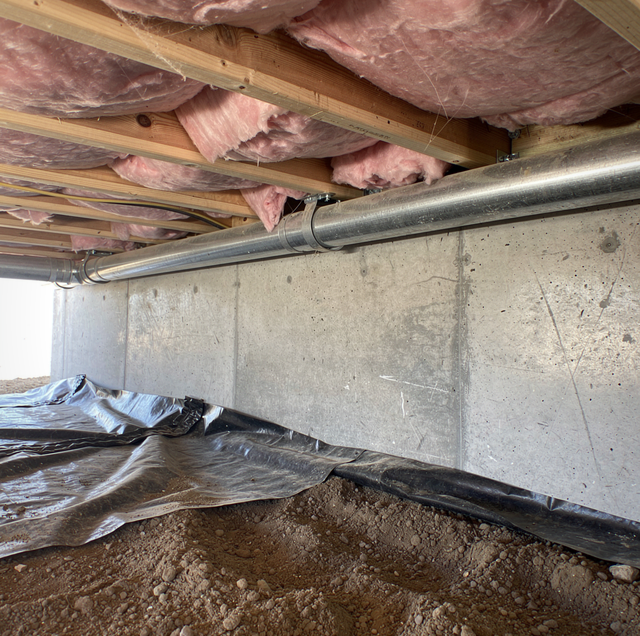
Radiant Floor Insulation Explained: Is Your Home a Fit?
What is radiant floor insulation, and how is it different from the insulation already sitting in your attic or walls?
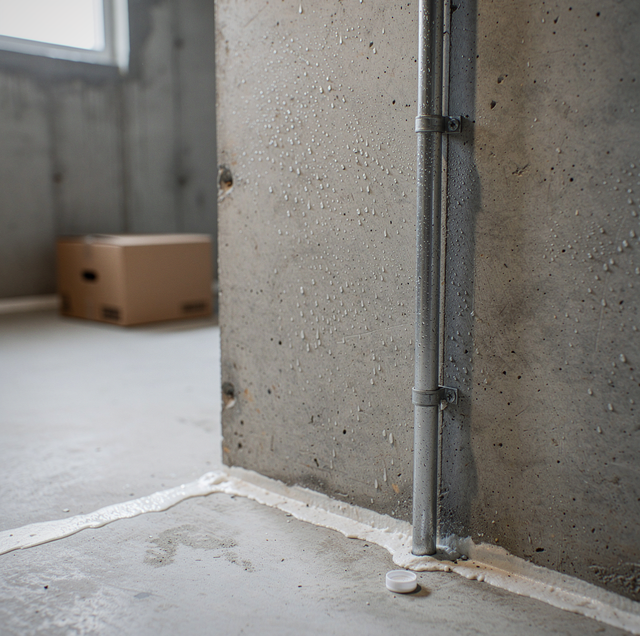
Cold, Humid Basement? What’s Actually Happening Below Ground
A basement that feels cold in one season and damp in another is not two separate problems.
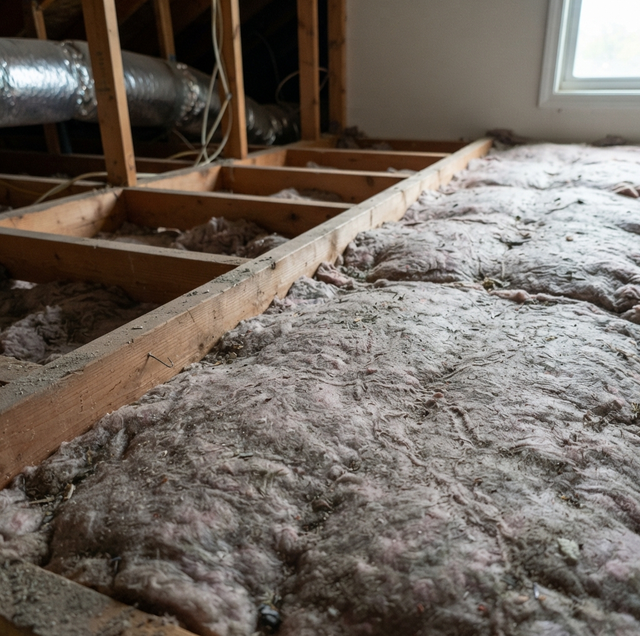
When to Remove Old Insulation vs. Just Top It Up
You pull back the attic hatch expecting a fluffy blanket and instead find a flattened, gray layer with matted trails running through it.
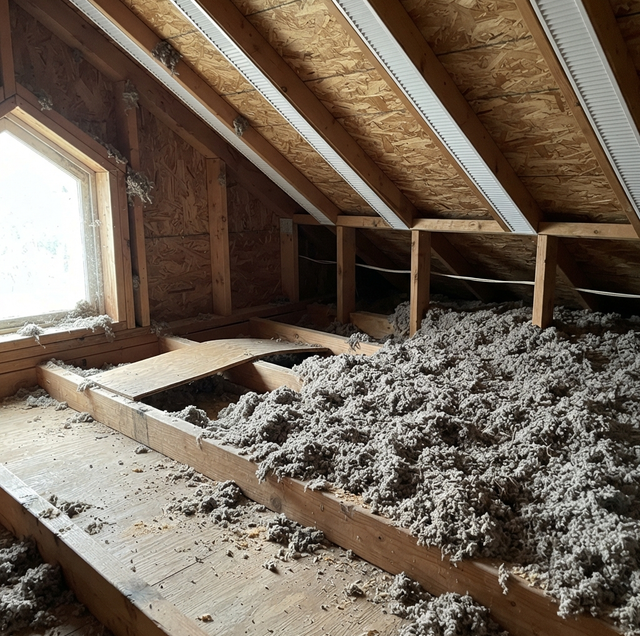
What Is R-Value? The Number That Decides Your Comfort
If you have ever stood in a home-improvement aisle staring at insulation packaging, you have seen the letter R stamped everywhere: R-13, R-30, R-49.
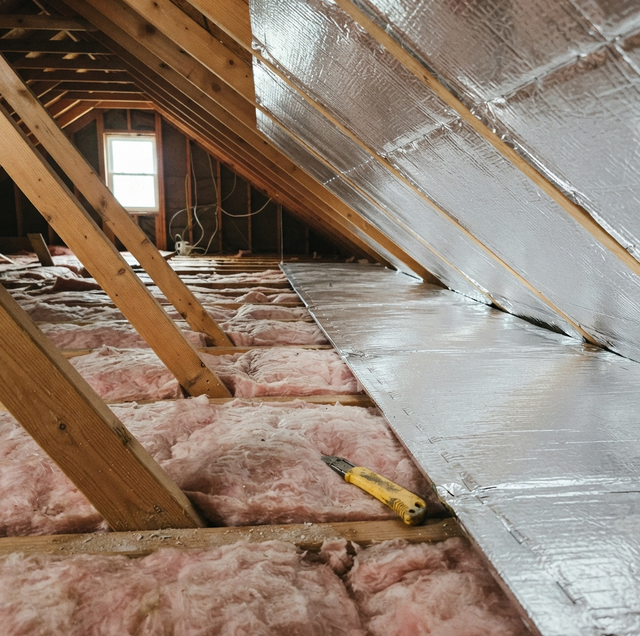
Radiant Barrier Explained: The 4 Times It Actually Pays Off
A stuffy upstairs bedroom on a bright afternoon, a garage that feels like an oven, an air handler working overtime while the attic above it bakes: these are the complaints that send homeowners looking for a radiant barrier.
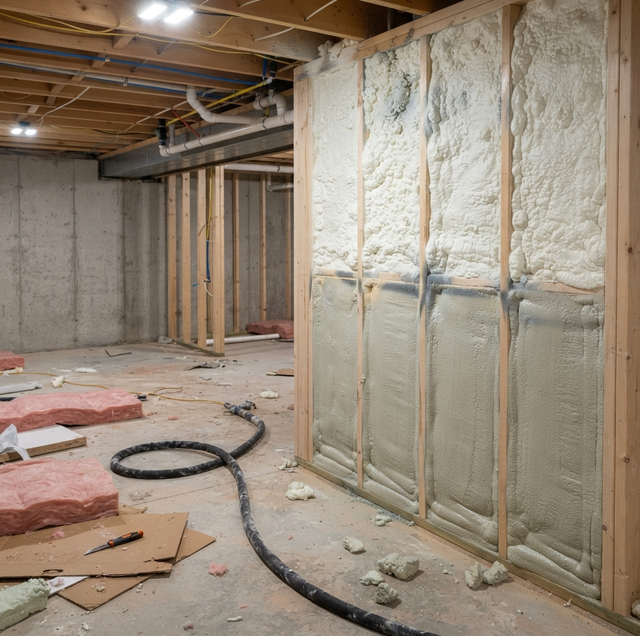
Open-Cell vs Closed-Cell Spray Foam: Which One Fits?
Spray foam gets sold as one product, but it arrives on the truck as two very different materials that happen to share a name.
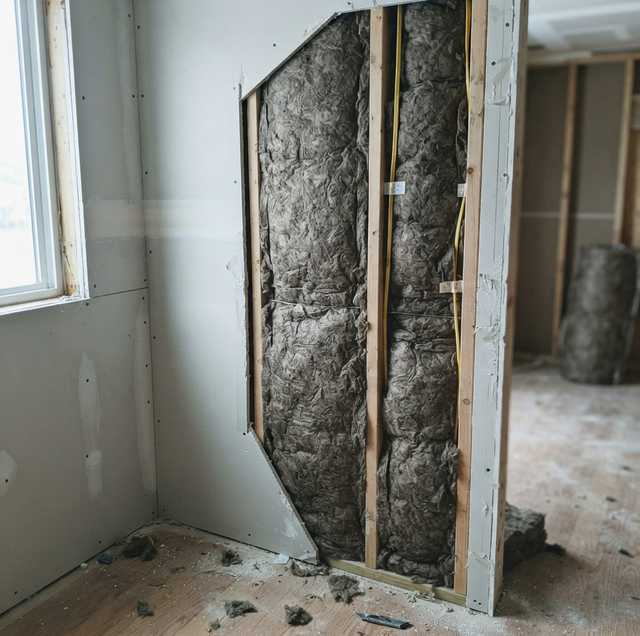
How Soundproofing Insulation Quiets a Home (and Its Limits)
You can hear the neighbor's television through the shared wall, the kids upstairs sound like they are dropping bowling balls, and a normal conversation two rooms away carries as if the doors were open.
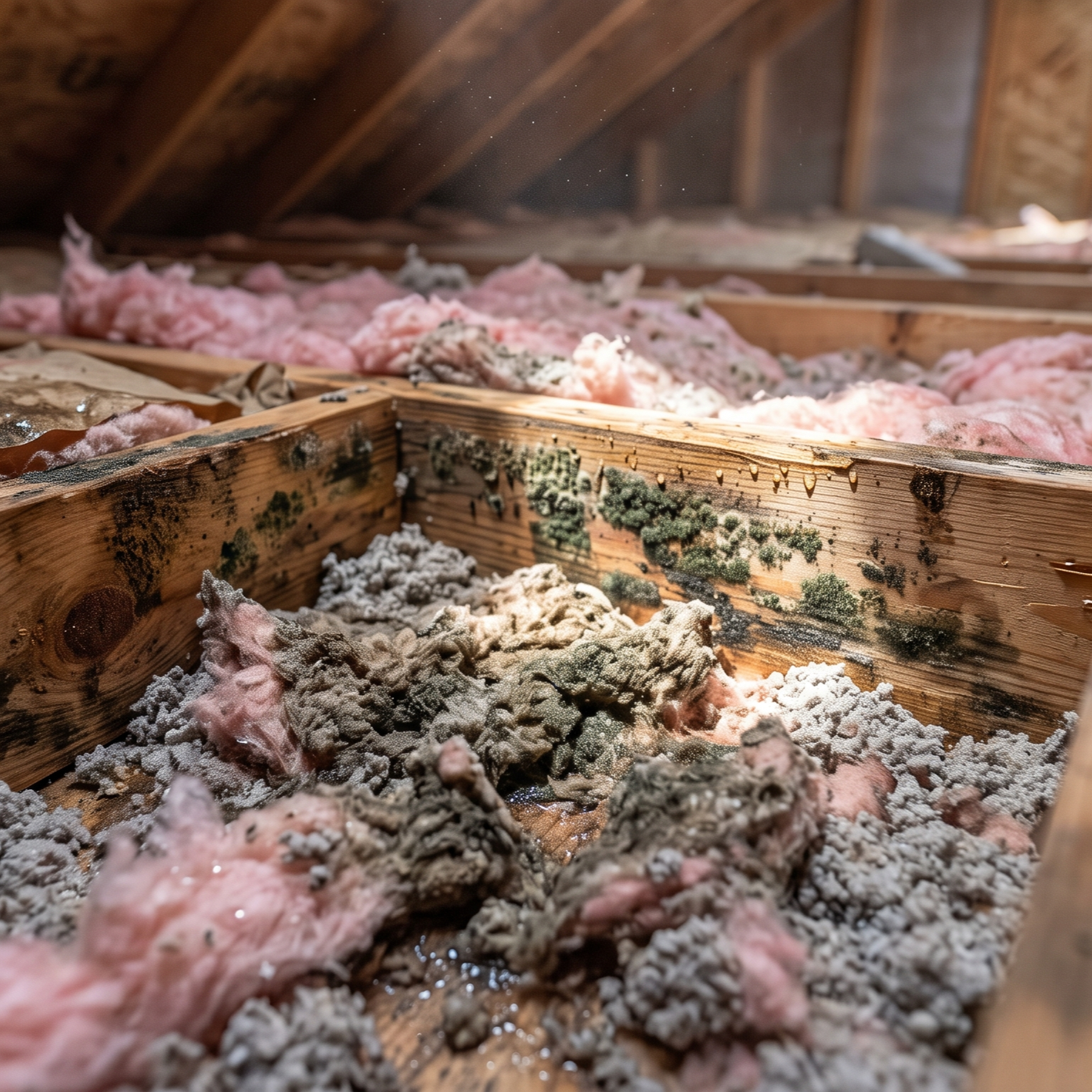
Signs of Moisture Problems in Your Insulation (7 to Catch Early)
Insulation only works because it is mostly air. The fluffy fiberglass, the loose cellulose, the dense mineral wool, all of it is designed to trap millions of tiny still-air pockets, and those trapped pockets are what slow the flow of heat through your walls and attic. When water gets into that material, it fills those pockets and pushes the air out. The moment that happens, the insulation stops doing the one thing you installed it to do.
Why Are Some Rooms Always Hotter or Colder?
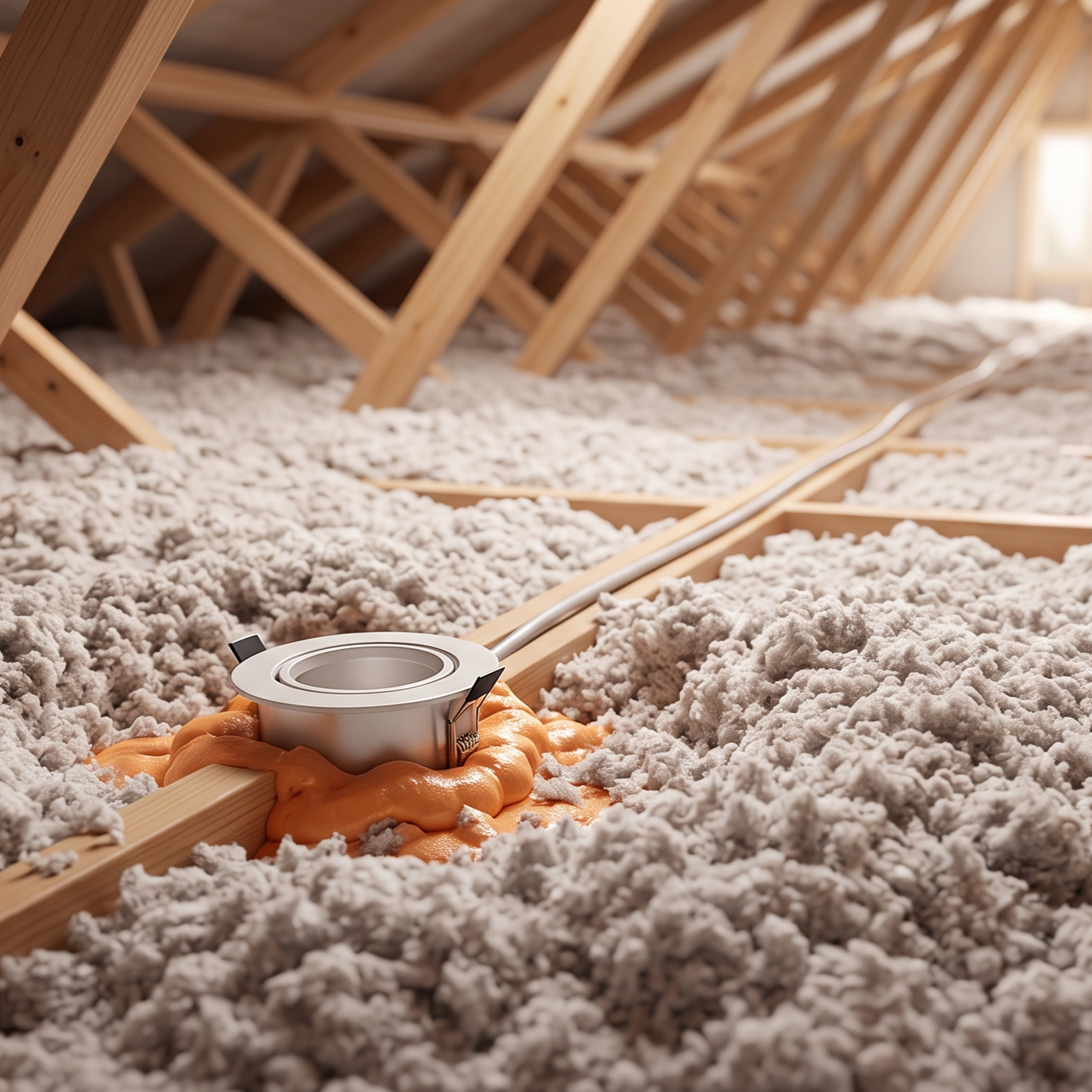
Set the thermostat to 70, and most of the house lands close to it. One room does not. It sits several degrees off, no matter what the rest of the house does, sweltering in July and clammy in January. You have probably closed its door, aimed a fan at it, or dragged in a space heater, and none of that touched the reason it drifts. A room that is always hotter or colder is not random. Something about how that room gets conditioned air, or how fast it trades heat with the outside, is different from every other room in the house.
How Attic Ventilation and Insulation Work Together
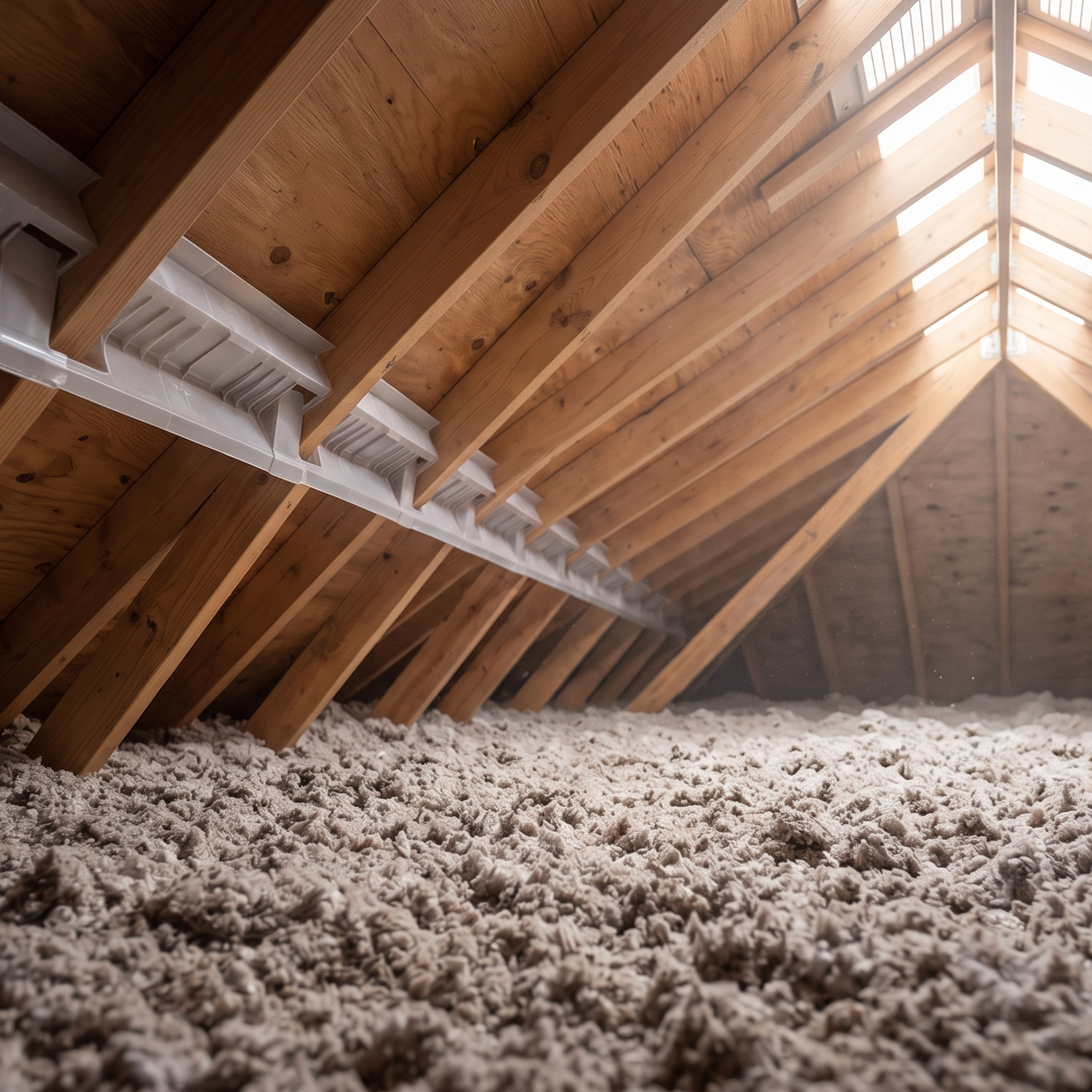
Homeowners often assume that piling more insulation into the attic is the whole job. Then the upstairs rooms still run hot, the attic feels like an oven in August, and a stain shows up on the ceiling by February. The missing piece is almost always ventilation. Insulation and attic ventilation are two separate systems, and each one fails at the job the other is built for. Understanding what each does and how they depend on one another helps explain many stubborn comfort and moisture problems.
Batt vs Blown-In vs Spray Foam: What's the Difference?
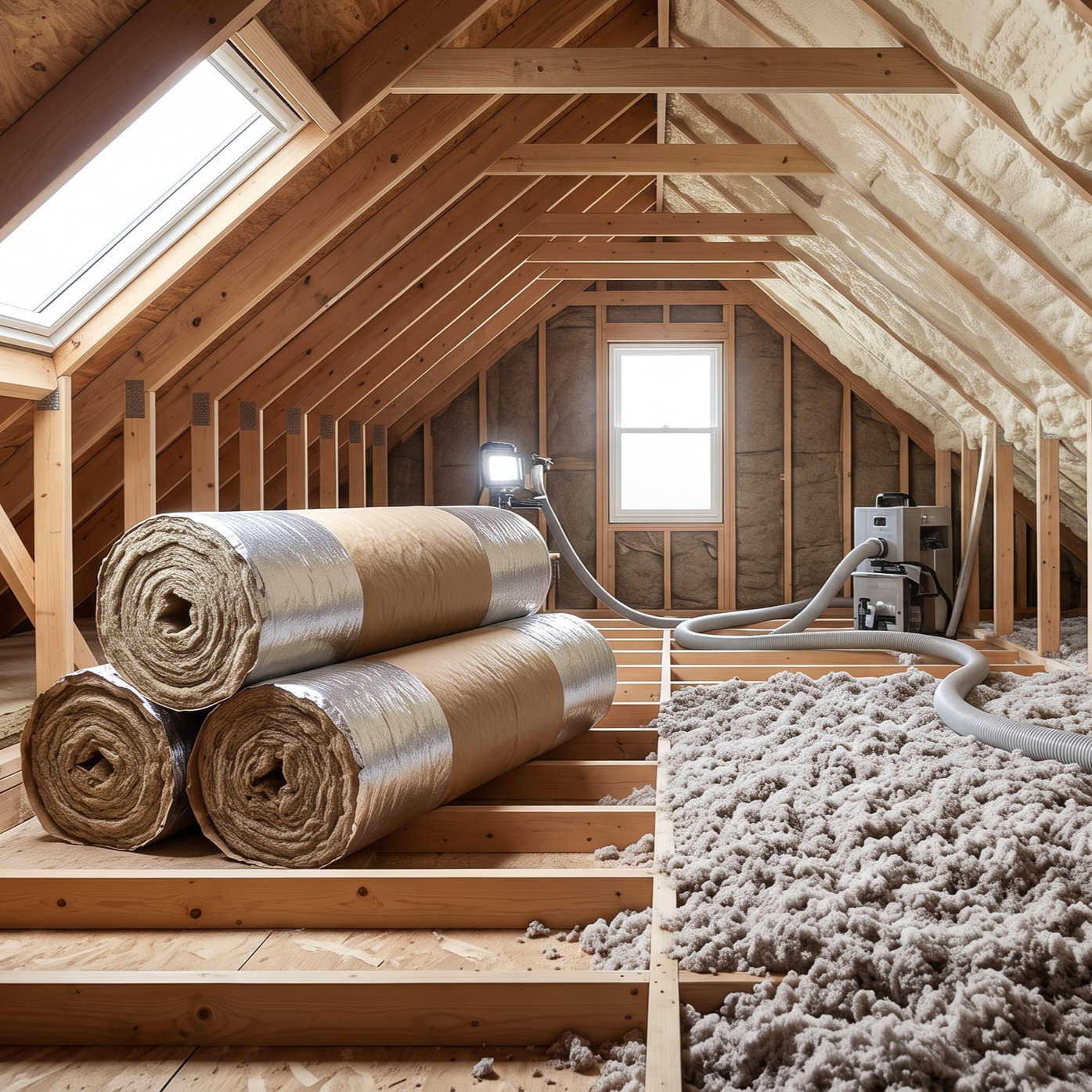
You climb into the attic to figure out why the upstairs bakes in July and freezes in January, and you find a patchy layer of old insulation that clearly is not doing its job. Now you are staring at three choices with confusing names: batt, blown-in, and spray foam, and every website seems to say a different one is best.
Why Your Home Feels Drafty Even With the Heat On
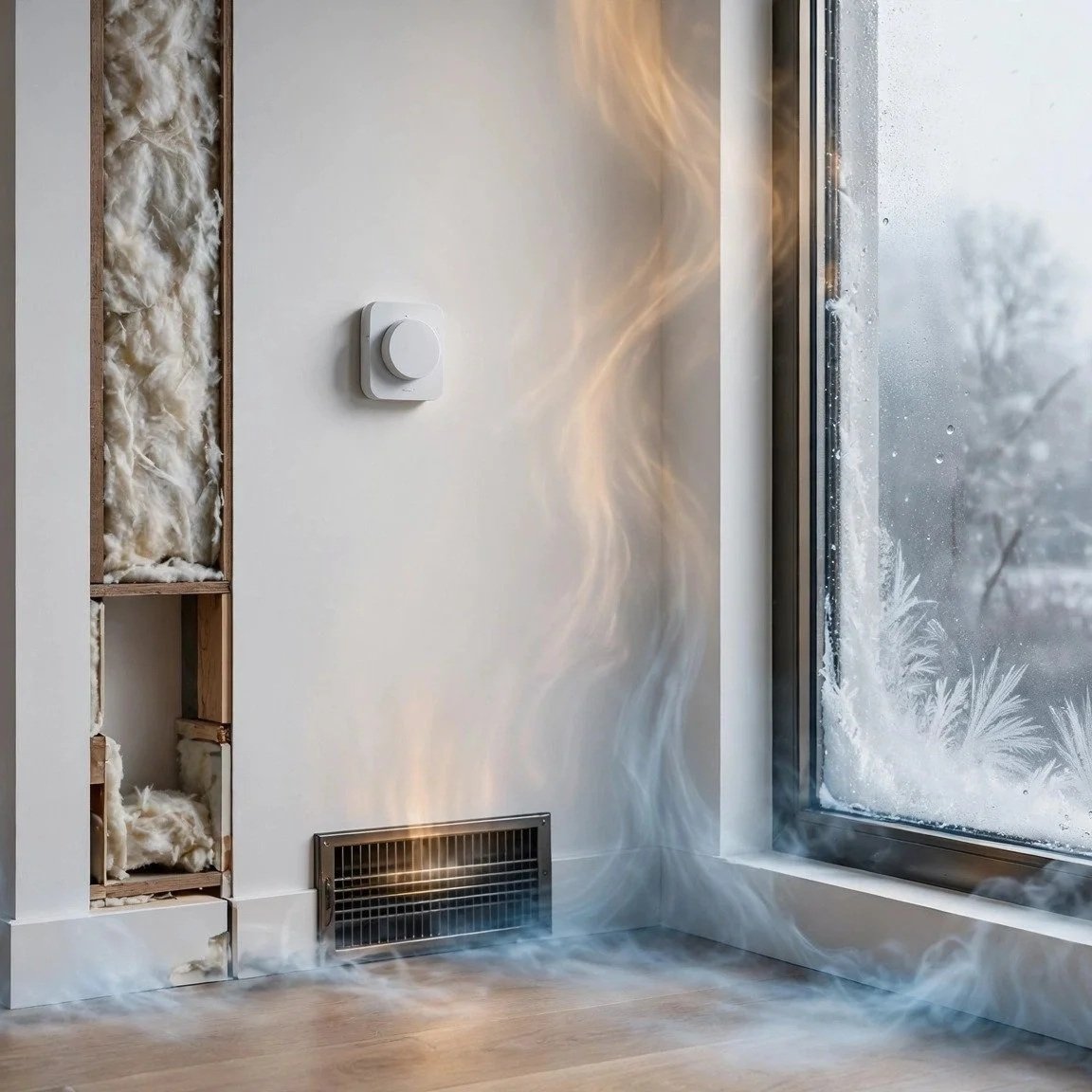
You have the thermostat set where you like it. The furnace is running. And yet you sit down on the couch and feel a slow, cool current sliding across your ankles, or a chill along one wall that never quite goes away. It feels wrong, like the heat is not doing its job. In most homes, it is doing its job. Something else is moving air past you faster than the furnace can keep up, and once you understand what that something is, the drafty feeling stops being a mystery.
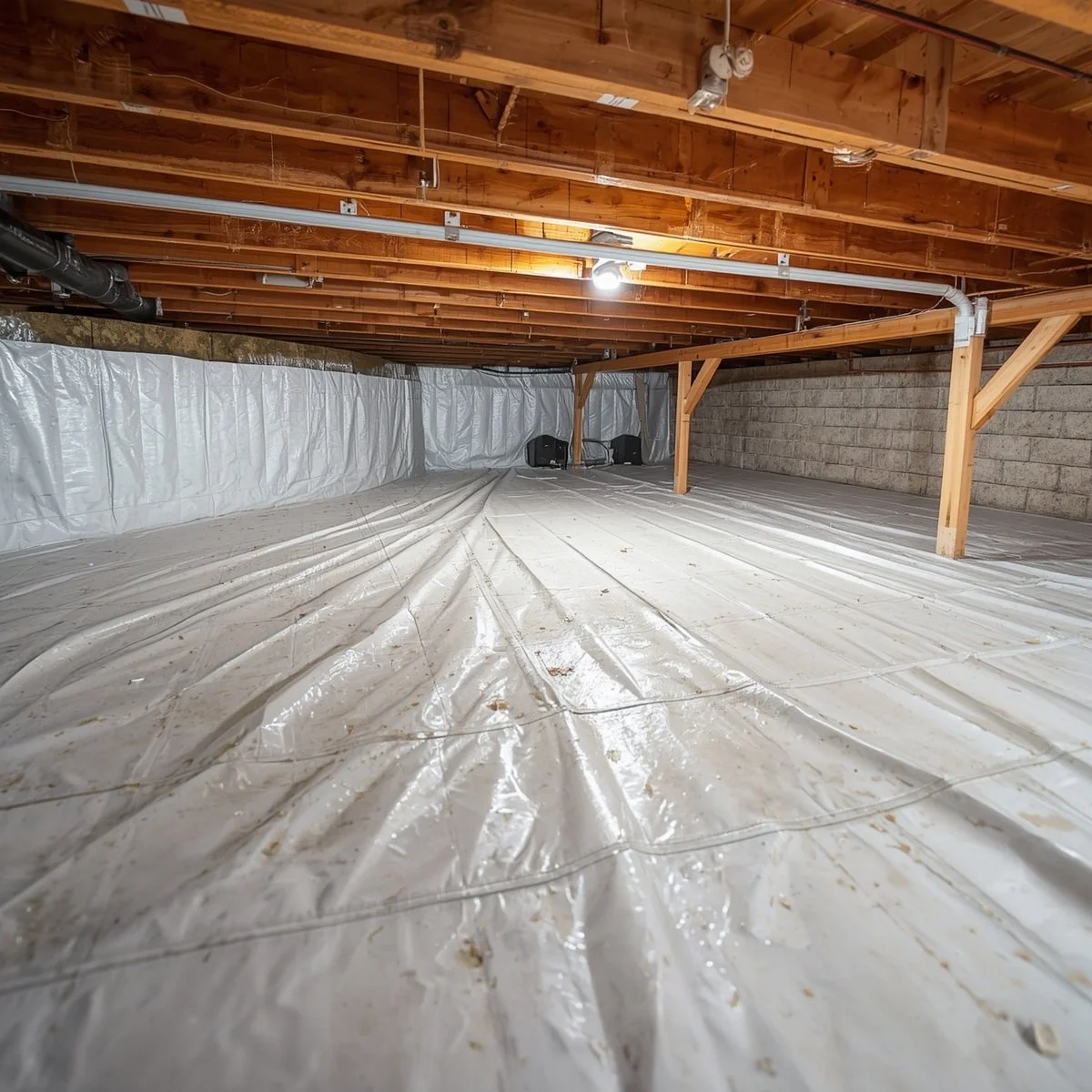
Damp, Drafty Crawl Space? Why It’s Costing You Upstairs
The crawl space is out of sight, so it's easy to ignore — until the floors above it are cold, the house smells musty, or you're fighting moisture problems you can't trace. A damp, drafty crawl space is more than an unpleasant corner of the home; what happens down there rises up and affects the whole house above it. Understanding why crawl spaces get wet and breezy in the first place explains both the discomfort upstairs and what it takes to fix it for good.
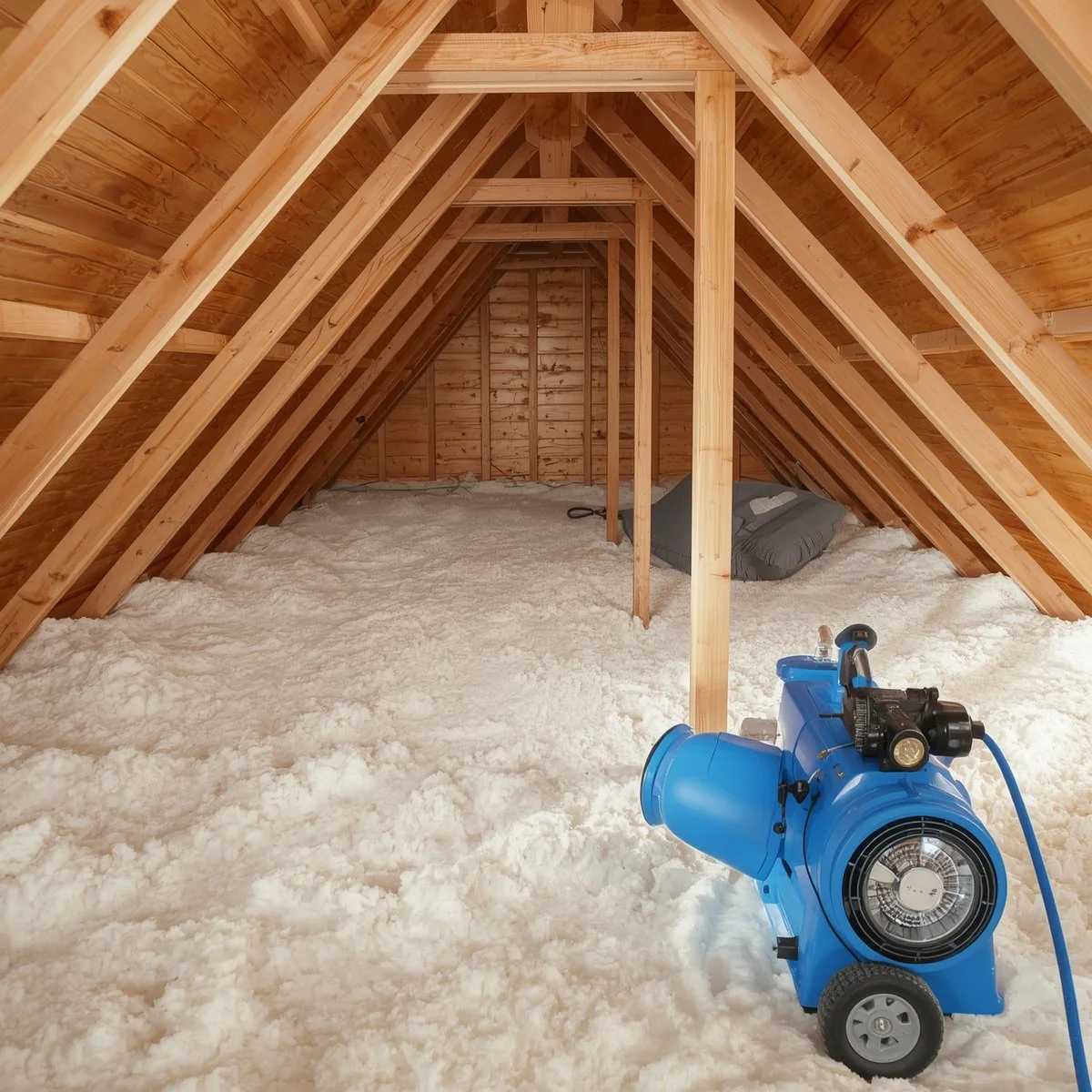
Why Your Energy Bills Are High in Both Summer and Winter
It's a frustrating pattern: the bill is high when it's hot and high again when it's cold, like the house finds a way to cost you money in every season. That back-and-forth is actually a clue. A home that's expensive to both heat and cool usually has one underlying problem working in both directions — it can't hold its conditioned air. Once you see it that way, the fix becomes clear, because the same improvements that keep heat in during winter keep it out during summer.
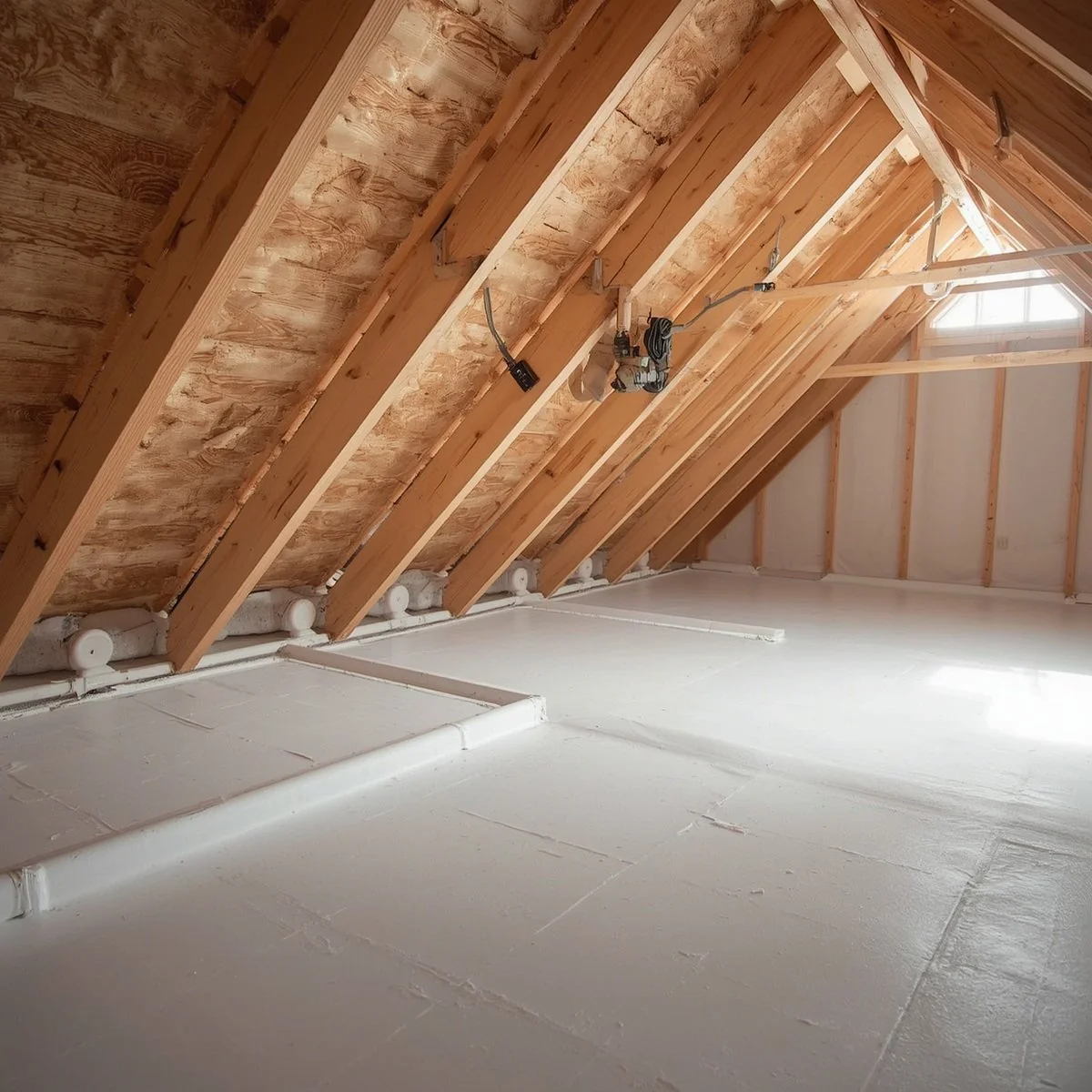
What Is Air Sealing — and Why It Matters More Than You Think
You can add all the insulation in the world, but if your home is full of hidden gaps, conditioned air still slips right through. That's the problem air sealing solves — and it's one of the most overlooked steps in making a home comfortable and efficient. Insulation gets the attention, but air sealing is its essential partner, plugging the leaks that insulation alone can't stop. Understanding what air sealing is and why it matters explains why the two are almost always done together.

7 Signs Your Home Is Begging for More Insulation
You crank the thermostat, and the house still feels drafty; one room is always colder than the rest, and the energy bill keeps climbing no matter what you do. Those aren't just quirks of an old house — they're often signs the home doesn't have enough insulation. Insulation is the invisible layer that keeps your conditioned air inside and the outdoor temperature out, and when there's too little of it, you feel it, and you pay for it. Knowing the signs tells you when adding insulation would actually make a difference.
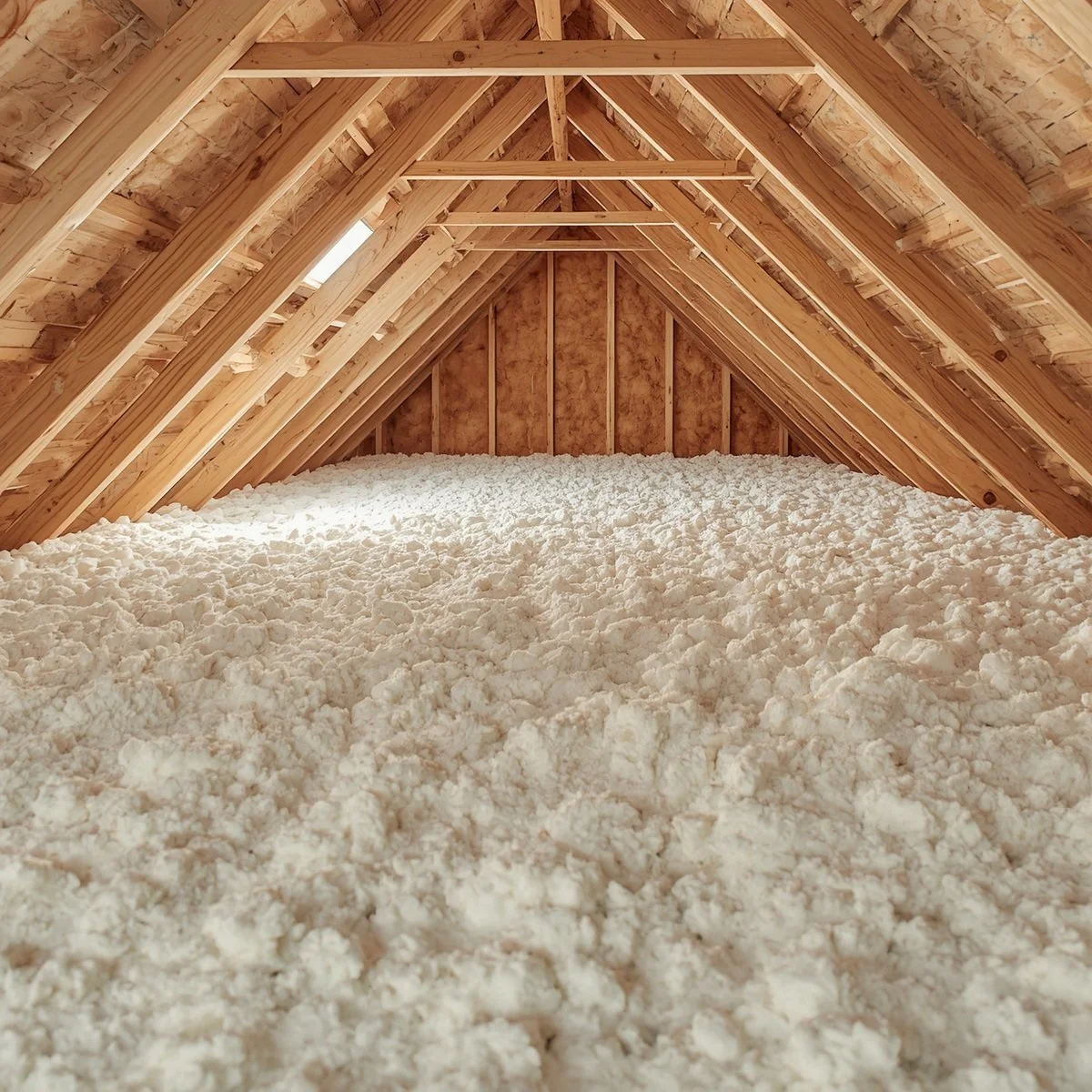
Attic Insulation: How Much Is Actually Enough?
The attic is where a home loses the most heat, so it's the place where insulation matters most — and also the place most homes come up short. The tricky part is knowing how much is actually enough, since "some insulation" and "enough insulation" are very different things. The good news is you don't need to be an expert to get a sense of where you stand. A quick look in the attic, plus an understanding of what the right amount looks like, tells you whether adding more would pay off.
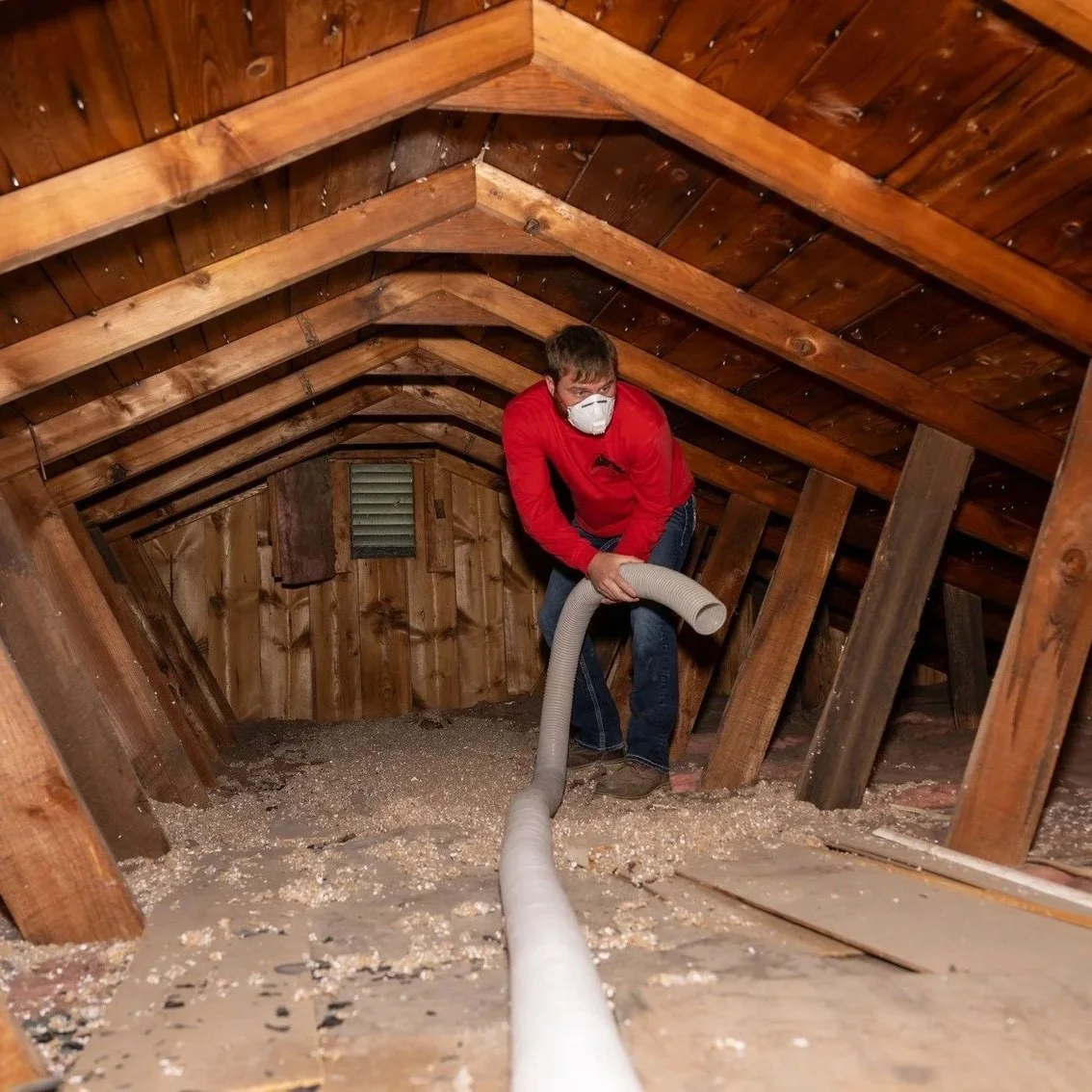
Let the Sun Power Your Attic’s Fresh Air Flow
These solar-powered fans promote a healthier home environment, protect roofing materials, and offer energy savings without drawing power from the electrical grid.

Weather Any Storm with Expert Insulation and Weatherproofing
Professionals tailor solutions that address each home's unique vulnerabilities, focusing on lasting performance and energy efficiency.
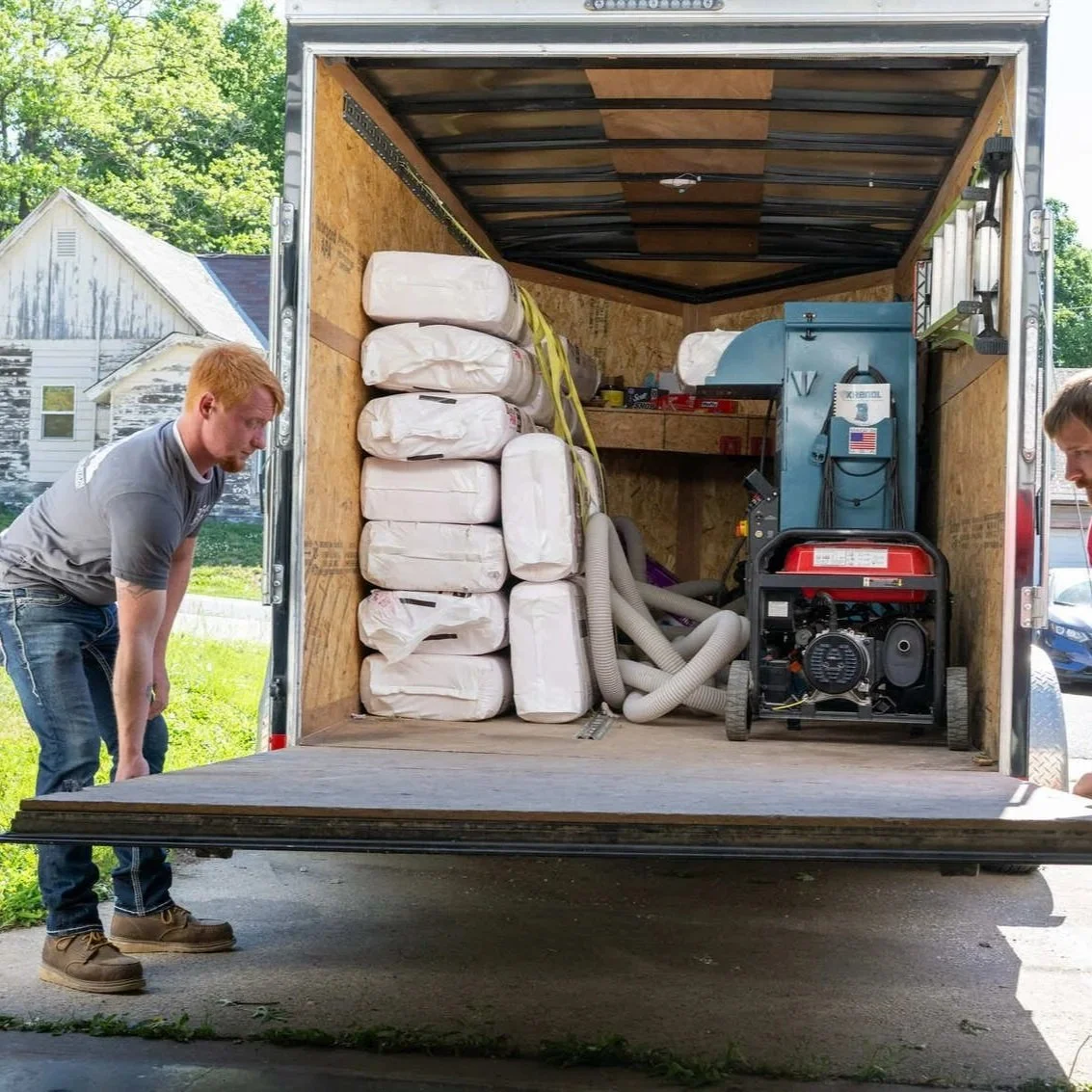
Top-To-Bottom Comfort With Attic And Wall Insulation Deals
The idea of “top-to-bottom comfort” isn’t just catchy—it captures the real impact of thorough insulation work that blankets your home from the attic down through the walls.