
Building Dreams with Top-Notch New Construction Insulation
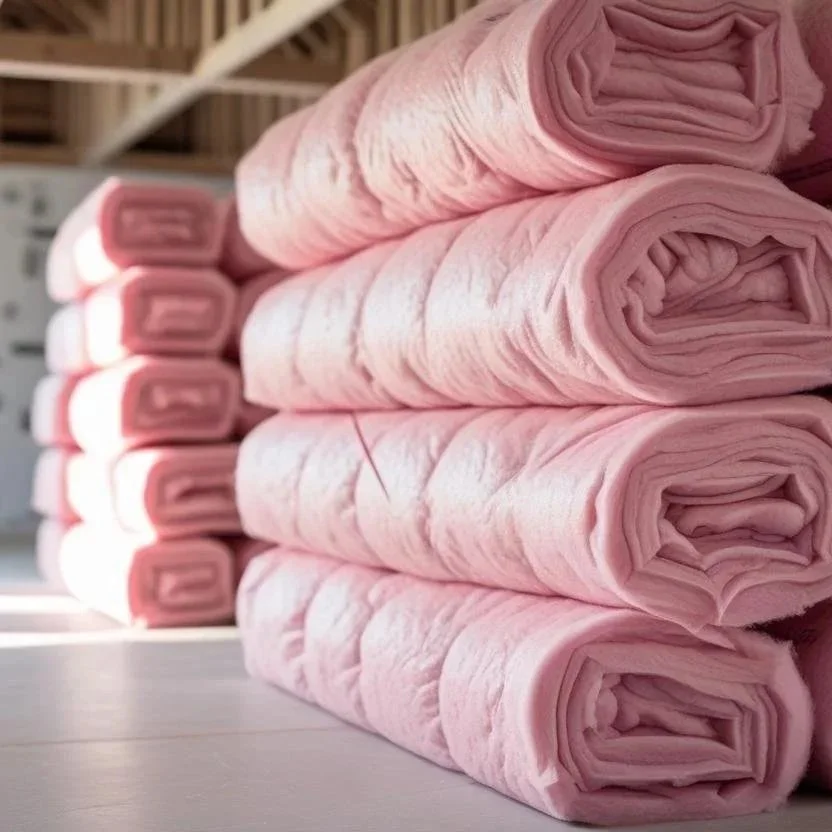
No guesswork. No retrofitting. Just purpose-built comfort and efficiency from the ground up.
Building a new home or commercial structure is equal parts excitement and stress. There are floor plans to tweak, permits to chase down, materials to pick out, and somewhere in that stack of decisions is insulation—quietly waiting for its moment to shine. It may not have the sparkle of a tile backsplash or the drama of vaulted ceilings, but insulation does more than just fill walls. It lays the foundation for comfort, efficiency, and performance for decades.
In the world of new construction, nothing beats a professionally executed insulation strategy. It works silently behind the scenes, supporting the structure like a backstage crew that never misses a cue. Proper insulation for specific building types sets up the entire project for long-term success, both for the people inside and the systems working to keep them comfortable.
Starting with a blank canvas allows professionals to match insulation to the exact specifications of the building. No guesswork. No retrofitting. Just purpose-built comfort and efficiency from the ground up.
Why New Construction Is the Ideal Time for Perfect Insulation
Building from scratch offers the kind of access and flexibility that retrofit jobs can only dream of. Stud walls are open. Attics are empty. Ductwork isn’t locked in. That freedom gives insulation professionals a unique opportunity to craft an ideal thermal envelope without compromise.
Walls can be fully filled without cutting around wiring or plumbing. Attic rafters can be packed without squeezing past old vents. Every inch of crawlspace, foundation, and ceiling can be sealed tight before anything becomes covered in drywall or flooring. It’s like writing a symphony with a full orchestra instead of trying to arrange a solo act after the show’s already started.
Professionals can also collaborate with other trades during construction to integrate insulation with ventilation systems, HVAC design, and air sealing. That team approach avoids common mistakes that lead to cold corners, drafty spots, or overworked heating systems. Every layer works together, and insulation becomes part of the building’s DNA instead of an afterthought.
The Right Fit for the Right Building
One of the perks of starting from zero is the ability to match insulation types to each part of the structure. A single-family home won’t have the same needs as a dental office. A multifamily complex differs from a church sanctuary. Different building types call for different materials, and new construction gives professionals room to make those distinctions.
Wood-framed homes may benefit from batt insulation between studs paired with blown-in cellulose in attics. Commercial spaces often require spray foam or rigid board to meet energy codes and air barrier demands. Metal buildings need insulation that addresses thermal bridging and moisture buildup. With fresh framing and open plans, the options stay wide open.
Professionals assess the building’s purpose, size, layout, and location to pick the right materials. A structure in a hot, humid climate needs vapor control. One in a cold, snowy area needs higher R-values and stronger wind resistance. With new construction, there’s no need to wrestle with previous mistakes. Everything starts out clean and purposeful.
Walls That Do More Than Stand Up
Walls may look like simple boundaries on the blueprint, but they do a lot more than hold up the roof. They’re thermal regulators, sound barriers, and the first line of defense against air leakage. In new construction, professionals treat them with the attention they deserve.
Every stud bay can be packed without gaps. Headers, corners, and rim joists receive the same care. If needed, double-stud or staggered-stud wall systems can be insulated to higher standards. Dense-packed cellulose or open-cell spray foam creates continuous thermal protection that hugs the entire structure.
In commercial settings, walls might need added acoustic insulation to control sound between offices, meeting rooms, or service areas. Fire-rated insulation can be used in corridors or walls shared between units. For multi-tenant buildings, partition walls often need to meet strict STC ratings so occupants don’t feel like they’re working inside a drum circle.
Roofs, Rafters, and the Great Thermal Escape
Attics and roofs account for a major chunk of heat loss and gain in any building. Warm air loves to rise and escapethrough the top, while sun exposure beats down on shingles and roofing materials all day long. That’s why attic and roof insulation plays a starring role in the overall energy performance of a building.
New construction gives professionals access to truss bays, vaulted ceilings, and roof decks long before drywall or lighting fixtures lock them away. That means they can air seal every gap, cover recessed lights, and choose the right insulation thickness without needing to tear up existing structures.
In vented attics, professionals may use loose-fill fiberglass or cellulose to fill the entire cavity evenly, creating a thick, breathable blanket. In unvented attics or cathedral ceilings, spray foam adds both insulation and air sealing in one pass, locking in temperature and blocking humidity from sneaking in.
Flat roofs on commercial buildings often benefit from rigid foam boards laid in layers under roofing membranes. The continuous coverage prevents thermal bridging and helps keep interior climates stable, no matter what the weather’s doing above.
Floors That Stay Comfortable All Year Long
Nobody likes freezing feet in the winter or damp basement air in the summer. Insulating floors and foundations in new construction takes care of both problems at once. Crawlspaces, slab-on-grade foundations, and basements all benefit from proper thermal and moisture barriers right from the start.
Concrete slabs may be insulated with rigid foam beneath and around the perimeter to stop cold from creeping upward. Crawlspaces can be sealed and insulated at the walls to create a conditioned space that protects pipes and ducts. Basements gain comfort and energy savings from both wall and rim joist insulation, preventing that classic “cold cave” feeling.
In multistory buildings, floor insulation also adds soundproofing between levels. That quiet helps tenants sleep better, offices stay focused, and customers stay relaxed.
Moisture Management That Starts at the Core
Condensation, humidity, and vapor movement cause havoc if not controlled. Moisture doesn’t knock politely before seeping into walls, floors, and insulation cavities. It creeps in through air leaks, absorbs through materials, and builds upwhere temperatures shift.
New construction allows professionals to plan for moisture before it becomes a problem. Vapor retarders, drainage planes, and proper air sealing all play a role. Using the right insulation—such as closed-cell spray foam in damp areas—prevents mold growth, structural damage, and premature aging of materials.
When every wall, floor, and ceiling is built with moisture in mind, the building performs better and lasts longer. It also smells better, which is a big bonus for anyone who’s ever worked inside a musty office.
Energy Codes and Performance Goals That Don’t Budge
Building codes have evolved, and new construction insulation must meet higher standards than ever before. R-value requirements, air leakage targets, and thermal bridging rules guide how and where insulation goes. Skipping or shortcutting isn’t an option—inspectors can catch it, and long-term performance may suffer.
Professional insulation contractors know how to meet those codes without sacrificing aesthetics or functionality. They handle blower door testing, thermal imaging, and documentation as needed. They also work with builders and architects to meet green building certifications, energy rebates, and design goals.
Professionally installed insulation doesn’t just pass code—it raises the bar. Homeowners and building occupants enjoy quieter rooms, better air quality, lower utility bills, and indoor spaces that just feel right from day one.
A Comfortable Future Built Into the Frame
Once the drywall is up and the final paint dries, insulation disappears from sight—but it never stops working. It keeps buildings cooler in summer, warmer in winter, quieter year-round, and more affordable across every season. It doesn’t wear out, clog up, or quit after hours.
When insulation for specific building types is built into the frame from day one, it supports the entire structure like an invisible partner. There’s no need to rip open walls later or wonder why the upstairs office feels like a sauna. Everything just works—quietly, efficiently, and with the kind of comfort people remember long after move-in day.
The best part? It never asks for a standing ovation. It’s content to work behind the scenes, building comfort right into the dream.
Enjoy comfort, efficiency, and long-term savings with speciality insulation services from Airflow Pro Insulation. We offer insulation for specific building types, eco-friendly insulation services, green fiber insulation installation, and recycled cellulose insulation installation services. Homeowners in Savannah, MO, and nearby areas can count on us for home-focused, custom solutions. Call today for a free estimate.