
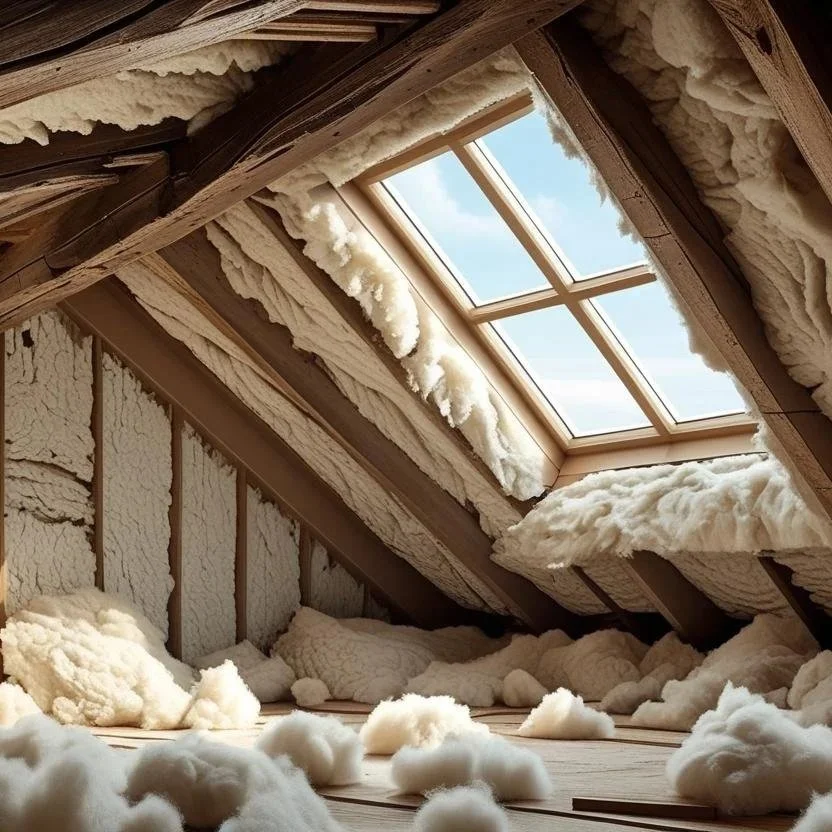
Professional energy-saving insulation services combine modern materials and expert installation to transform these critical parts of a home into efficient, cozy barriers against the elements.
Attics and walls play starring roles in a home’s battle against energy waste. These areas often account for the bulk of heat loss or gain, so doubling down on insulation in these zones delivers serious savings and comfort. Professional energy-saving insulation services combine modern materials and expert installation to transform these critical parts of a home into efficient, cozy barriers against the elements.
How Attic Insulation Influences Energy Use
Attics handle extreme temperature swings throughout the year. During summer, the sun beats down on the roof, making the attic a furnace that tries to bake the rest of the house. In winter, warm indoor air rises and escapes through poorly insulated attics like a sneaky ghost slipping out the back door. A well-insulated attic slows heat flow, reducing the load on heating and cooling systems.
Inadequate attic insulation leads to uneven temperatures, drafts, and higher utility bills. Insulation works alongside ventilation to maintain balanced airflow and prevent moisture buildup, which can otherwise damage materials or invite mold. Sealing leaks and adding sufficient insulation material in the attic improves energy retention dramatically.
Wall Insulation’s Impact on Comfort and Savings
Walls form the home’s largest surface area exposed to outdoor conditions. Without proper insulation, walls become escape routes for conditioned air, wasting energy and creating temperature fluctuations inside. Solid insulation within wall cavities creates a thermal buffer, maintaining steady indoor conditions and keeping noise from outside at bay.
Older homes often feature insufficient or degraded wall insulation, especially if original materials settled or were removed during renovations. Upgrading wall insulation revitalizes a home’s envelope, improving energy performance and increasing property value. Effective wall insulation also complements attic insulation, creating a unified defense against energy loss.
Selecting Insulation Types for Attics and Walls
Spray Foam for Tight Sealing and Performance
Spray foam insulation excels in attics and walls by filling gaps and cracks that other materials miss. Closed-cell spray foam adds structural support while resisting moisture, making it ideal for attics exposed to humid air or walls near damp spaces like basements. Its air-sealing properties reduce drafts and improve comfort.
Open-cell spray foam provides flexibility and sound dampening, particularly useful in interior walls separating living spaces. Its expansion helps cover irregular framing, providing consistent coverage.
Blown-In Insulation for Retrofitting
Blown-in cellulose or fiberglass insulation suits attics and walls of older homes. The loose-fill nature allows filling cavities without removing drywall or ceiling materials. Dense packing during installation avoids settling, preserving insulation effectiveness over time.
Cellulose insulation offers eco-friendly benefits, being made from recycled paper treated for fire resistance. Fiberglass blown-in insulation resists moisture and provides excellent thermal protection. Both materials help upgrade insulation in hard-to-reach spots, enhancing energy savings in existing construction.
Batt Insulation for Accessible Spaces
Fiberglass or mineral wool batts remain a staple in accessible attics and walls. Mineral wool’s fire-resistant and moisture-repellent qualities add safety and durability. Proper fitting without gaps or compression maximizes performance.
Batt insulation installation requires careful attention to framing and obstacles like wiring or plumbing. Professionals trim and fit batts to prevent gaps that cause thermal bridges, areas where heat sneaks through.
Combining Materials for Optimal Results
Many homes benefit from combining insulation types. For example, spray foam seals attic rafters while blown-in insulation fills remaining cavities. Walls might include batt insulation with an overlay of rigid foam board for added protection. Matching materials to specific areas balances cost, performance, and durability.
Complementing Insulation with Air Sealing
Adding insulation without air sealing leaves gaps where air sneaks in and out, reducing the effectiveness of insulation. Professional energy-saving insulation services include thorough air sealing around windows, doors, attic hatches, electrical outlets, and plumbing penetrations. Caulking, weatherstripping, and spray foam plugs block drafts and contribute to energy savings.
Air sealing also prevents moisture intrusion, protecting insulation and building materials from mold or decay. Together, insulation and airtightness create a consistent thermal envelope that keeps homes comfortable and efficient year-round.
Upgrading Attic Ventilation for Balanced Performance
Good attic insulation works best when paired with proper ventilation. Ridge vents, soffit vents, and gable vents allow hot air to escape while drawing in cooler air. Balanced airflow controls humidity, preventing moisture problems that degrade insulation.
Professional contractors assess attic ventilation during insulation projects to recommend improvements or adjustments. Well-ventilated attics extend insulation life and maintain healthy indoor air quality.
Energy Savings and Financial Perks
Increasing attic and wall insulation reduces heating and cooling costs by lowering the demand on HVAC systems. Less frequent cycling of equipment translates to fewer repairs and longer lifespans. Monthly energy bills reflect immediate savings.
Tax credits, rebates, and local incentives may apply to insulation upgrades, lowering upfront investment. These financial perks reward energy-conscious homeowners and make professional insulation services even more attractive.
Improved Home Value and Market Appeal
Homes with upgraded insulation appeal to buyers who appreciate lower utility costs and comfortable living environments. Energy-efficient features contribute to market value and distinguish properties in competitive real estate markets. High-performance insulation demonstrates smart, forward-thinking investment in a home’s long-term performance.
Comfort and Health Benefits of Quality Insulation
Well-insulated attics and walls maintain consistent temperatures, eliminating cold spots and drafts that disrupt comfort. Soundproofing benefits reduce noise pollution, making homes peaceful retreats. Managing moisture with proper insulation and sealing prevents mold growth, promoting healthier indoor environments.
Quality insulation contributes to better air quality by limiting infiltration of allergens, dust, and pollutants. These improvements enhance daily living and overall well-being.
Common Pitfalls in Attic and Wall Insulation
Overlooking attic insulation during home upgrades wastes potential savings. Some focus only on walls or windows, while attic gaps continue to bleed energy. Neglecting air sealing limits insulation’s effectiveness. Skimping on professional installation often leads to poorly fitted materials and reduced performance.
Choosing the wrong insulation type or R-value can cause discomfort or moisture problems. Consulting with experienced contractors avoids these mistakes and guides homeowners to the best solutions.
Partnering with Professionals for Long-Lasting Results
Professional energy-saving insulation services bring expertise that transforms attic and wall spaces into efficient energy barriers. Technicians use tools like thermal imaging to detect leaks and target problem areas. Skilled installation achieves tight fits and uniform coverage, preventing gaps or compression.
Professionals also recommend ventilation improvements and moisture management strategies that protect insulation and home structures. Transparent communication about project scope and costs builds homeowner confidence.
Maintaining Insulation for Continued Efficiency
Periodic inspection and maintenance protect insulation investments. Checking attics for moisture damage, pest intrusion, or settling helps maintain optimal performance. Addressing small issues promptly prevents larger, costly problems.
Retrofitting insulation in older homes may require adjustments over time as building conditions change. Scheduling professional assessments maintains energy-saving benefits and comfort year-round.
Adapting Solutions to Unique Homes
Every home presents different challenges. Some have vaulted ceilings, irregular framing, or mixed materials. Professionals customize insulation strategies to match architectural features and construction types.
Historic homes require special care to preserve character while upgrading energy performance. Insulation choices respect building codes and owner preferences, blending efficiency with aesthetics.
Taking the Next Step in Energy Savings
Homeowners interested in cutting energy bills and boosting comfort benefit from professional attic and wall insulation services. Comprehensive assessments identify gaps, leaks, and insulation shortfalls. Customized solutions address each home’s unique needs.
Doubling down on attic and wall insulation offers one of the most effective energy-saving strategies available. Trusting professionals to guide the process unlocks significant savings, enhanced comfort, and long-term value. The perfect combination of materials, installation, and air sealing transforms homes into cozy, efficient sanctuaries that stand the test of time.
Airflow Pro Insulation boasts a team of licensed insulation contractors to provide affordable and reliable insulation solutions in Savannah, MO. Our services include attic insulation services, attic insulation installation (Blown-in), attic insulation installation (Batt), and attic solar fans and ventilation. We aim to improve airflow, reduce energy bills, and make a lasting impact. Call today.