
What Is Air Sealing — and Why It Matters More Than You Think
Quick Answer: Air sealing is closing the small gaps, cracks, and openings in your home's envelope that let air leak in and out — around the attic hatch, recessed lights, plumbing and wiring penetrations, ductwork, rim joists, windows, and doors. It matters because those leaks let your heated or cooled air escape and outdoor air in, driving up energy bills, causing drafts and uneven temperatures, and letting in moisture. Air sealing works hand in hand with insulation: sealing stops air movement, insulation slows heat transfer. Together they make a home far more comfortable and efficient than either alone.
You can add all the insulation in the world, but if your home is full of hidden gaps, conditioned air still slips right through. That's the problem air sealing solves — and it's one of the most overlooked steps in making a home comfortable and efficient. Insulation gets the attention, but air sealing is its essential partner, plugging the leaks that insulation alone can't stop. Understanding what air sealing is and why it matters explains why the two are almost always done together.
Air Sealing Closes the Gaps Air Sneaks Through
A house has countless small openings where air passes between inside and outside — gaps you'd never notice individually but that add up to the equivalent of leaving a window open. Air sealing is the process of finding and closing gaps with the right materials: caulk, foam, weatherstripping, and sealants applied at leak points. The goal is to stop the uncontrolled movement of air through the building envelope, so the air you've paid to heat or cool stays inside and outdoor air stays out. It's not glamorous work, but it targets a real and constant source of energy loss.
Where the Leaks Hide
The leaks that matter most are often out of sight. Common culprits include the attic hatch or access door, recessed light fixtures, the holes where plumbing pipes and electrical wiring penetrate walls and ceilings, ductwork joints, the rim joist where the foundation meets the framing, and gaps around windows and doors. Many of these are in the attic and basement or crawl space, which is why those areas are a focus of air sealing. Because warm air rises and escapes through the top of the house while drawing in air at the bottom, sealing the top and bottom is especially effective.
Why Air Sealing Matters
Lower Energy Bills
Air leaks let conditioned air escape year-round, so your HVAC system works harder and runs longer to keep up. Sealing those leaks keeps the heated or cooled air inside, which reduces how hard the system has to work and cuts energy waste. Air sealing is one of the most cost-effective steps for improving a home's efficiency precisely because it stops a constant, year-round loss.
Better Comfort
Many of the comfort problems homeowners live with — drafts, cold spots, rooms that won't hold temperature — come from air leaks letting outdoor air in and conditioned air out. Sealing the leaks removes the drafts and helps the home hold an even temperature, making it noticeably more comfortable in every season.
Moisture and Air Quality Control
Air leaks don't just move air — they move moisture and outdoor air into the home. Uncontrolled air movement can bring in humidity that causes condensation and mold issues, as well as dust and outdoor pollutants. Sealing the envelope gives you more control over moisture and what's coming into the home, supporting both the home's durability and indoor air quality.
| Air sealing benefit | What it does |
|---|---|
| Lower energy bills | Stops conditioned air from leaking out year-round |
| Better comfort | Removes drafts and evens out temperatures |
| Moisture control | Limits humidity, condensation, and mold risk |
| Air quality | Reduces dust and outdoor pollutants entering |
Why Air Sealing and Insulation Go Together
Here's the key relationship: air sealing and insulation do two different jobs, and a home needs both. Air sealing stops the movement of air through gaps; insulation slows the transfer of heat through surfaces. Insulation alone can't stop air from rushing through an open gap — air leaks right past it — and air sealing alone doesn't slow the heat that conducts through a wall or ceiling. That's why they're almost always done together, usually starting in the attic: seal the leaks first, then insulate over them. Done as a pair, they make a home far more comfortable and efficient than either one on its own, which is why air sealing is considered a foundational step, not an optional extra. Skipping it and relying on insulation alone is one of the most common reasons a home stays drafty and expensive, even after money was spent on it.
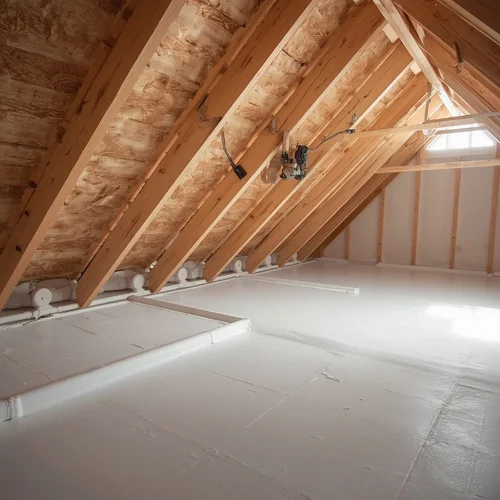
If you are adding attic insulation, seal the air leaks first. Burying gaps under new insulation without sealing them lets conditioned air keep slipping through — doing the air sealing before the insulation goes in is what makes the whole job actually perform.
Frequently Asked Questions
Air sealing is the process of finding and closing the gaps, cracks, and openings in your home's envelope that let air leak in and out — using materials like caulk, foam, weatherstripping, and sealants. The goal is to stop the uncontrolled movement of air through the building, so your heated or cooled air stays inside, and outdoor air stays out. Common sealing points include the attic hatch, recessed lights, pipe and wiring penetrations, ductwork, the rim joist, and around windows and doors.
Air sealing matters because air leaks let your conditioned air escape and outdoor air in, which drives up energy bills, causes drafts and uneven temperatures, and lets in moisture, dust, and pollutants. Sealing those leaks keeps conditioned air inside, so your HVAC system works less, reduces drafts that make a home uncomfortable, and gives you more control over moisture and indoor air quality. It's one of the most cost-effective ways to improve a home's efficiency and comfort.
No — insulation and air sealing do different jobs, and a home needs both. Insulation slows heat from transferring through surfaces, but it can't stop air from rushing through an open gap; air leaks right past insulation. Air sealing closes those gaps so air stops moving through, and insulation then slows the remaining heat transfer. That's why they're done together. Insulation over unsealed leaks underperforms, which is why air sealing is considered an essential companion step.
Often in places you can't easily see: the attic hatch, recessed light fixtures, holes where plumbing and wiring penetrate walls and ceilings, ductwork joints, the rim joist where the foundation meets the framing, and gaps around windows and doors. Many key leaks occur in the attic, basement, or crawl space. Because warm air rises and escapes at the top of the house while pulling in air at the bottom, sealing both the top and bottom is especially effective.
It can. Air leaks move not just air but moisture into the home, and uncontrolled air movement can bring in humidity that leads to condensation and mold issues. By sealing the envelope, you gain more control over how much outdoor air and moisture enter, which supports the home's durability and helps manage humidity. Air sealing is part of a healthy, well-controlled home environment, alongside its energy and comfort benefits.
Seal the Leaks, Then Insulate
Air sealing is the often-overlooked step that makes the rest of your home's efficiency work: it closes the hidden gaps where conditioned air leaks out and outdoor air, moisture, and dust come in. On its own, it lowers bills, removes drafts, and helps control moisture and air quality. Paired with insulation — which seals air movement while slowing heat transfer — it changes how comfortable and efficient a home can be. Seal first, insulate second, usually starting in the attic, and the home finally holds the air you're paying to condition.
Drafts and high bills despite having insulation? — Get professional air sealing and insulation that work together from a homeowner-focused team. Airflow Pro Insulation serves St. Joseph, Savannah, Country Club. Call (816) 344-6516.
