
Pests in the Insulation? What the Damage Actually Looks Like
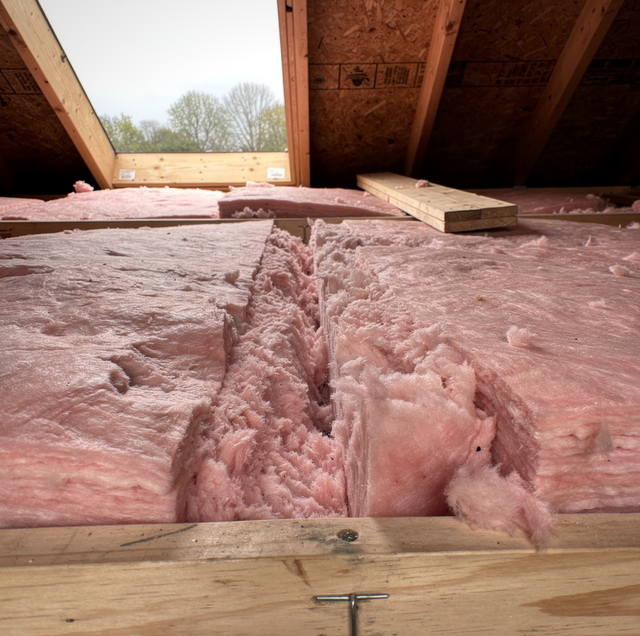
A rustling sound in the attic at two in the morning is easy to dismiss the first time. The second or third time, most homeowners start wondering what is living up there, and what it might be doing to the insulation between the joists. Rodents, squirrels, birds, and insects do not just pass through insulation on their way somewhere else. They nest in it, tunnel through it, soil it, and flatten it in ways that quietly undercut the job insulation is supposed to do. Knowing what that damage looks like, and when it calls for a full tear-out rather than a simple cleanup, keeps a homeowner from overreacting to a minor mess or ignoring a real one.
How Nesting Behavior Breaks Insulation Down
Mice, rats, and squirrels look for warm, quiet, hidden spaces to raise young, and loose-fill or batt insulation fits the bill. A mouse will shred fiberglass or cellulose into a soft pile for bedding, pulling material away from the exact spots where it is needed most to hold an even layer across the attic floor or wall cavity. Squirrels do the same on a larger scale, sometimes hauling in leaves and twigs alongside the shredded insulation, which packs the material down and leaves bare patches where the joists or wall studs are exposed to open air.
Once a nest is established, the damage spreads. Rodents return to the same area repeatedly, widening the disturbed zone as they add material or make room for a growing litter, and a small nest can turn into several connected voids within a season.
Tunnels, Trails, and Flattened Fibers
Beyond nesting, rodents create traveling paths through insulation as they move between a nest and a food or water source. These paths look like shallow trenches pressed into batt insulation, or compacted lanes through loose-fill material, and because the same route gets used night after night, the fibers along it pack down far more than the insulation around them.
That packing matters because insulation depends on trapped air pockets to resist heat flow. Flatten those pockets, whether by nesting, tunneling, or repeated foot traffic, and the material in that spot loses a meaningful share of its resistance even though it still looks mostly intact from a distance. A quick glance into the attic can miss several inches of thickness pressed down to a fraction of its original depth along a well-used trail.
Droppings, Urine, and Contamination
Rodent droppings and urine are usually the clearest physical evidence of an active problem. Urine-soaked insulation loses loft as the wet fibers mat together, and the odor lingers even after the material dries, because the residue soaks into paper facings, cellulose fibers, and nearby wood framing. Droppings scattered across the attic floor or tucked into corners point to a colony, not just a single animal.
This kind of contamination is a health and performance consideration. Dried rodent droppings can release particles into the air when disturbed, so accumulated waste in an enclosed attic space is not something to clear away casually.
Insects Leave a Different Kind of Trail
Insects damage insulation differently than rodents. Carpenter ants and termites do not eat insulation the way they consume wood, but they tunnel through soft, loose-fill material to reach damp wood framing nearby, leaving trails and packed channels similar to what rodents create. Wasps and bees sometimes nest against or partially inside insulation near roof vents and soffits, matting the material around the nest. In most cases, the insulation is a secondary casualty of a problem centered on the wood structure or a nearby entry point, so insect damage often appears alongside signs of moisture or wood decay rather than on its own.
The Smell That Gives It Away
A persistent, sharp, ammonia-like odor drifting down from an attic or soffit vent is one of the more reliable non-visual clues, usually coming from concentrated urine soaked into fibrous insulation, which holds odor far longer than a hard surface would. A milder, musty smell can indicate decomposing nesting material or, in some cases, a deceased animal trapped nearby, which intensifies over a few days before fading.
Either smell is worth tracing rather than masking. An odor limited to one room or one vent stack usually points to a nest close to that spot, which narrows down where to look before opening anything up.
Sounds That Point to an Active Problem
Scratching, scurrying, or light thumping in a ceiling or wall, especially at night, is often the first sign homeowners notice before they ever see physical damage. Rodents are active after dark, so evening noise tends to suggest mice, rats, or squirrels rather than birds, which tend to be active during the day. Repeated activity centered on one section of the attic, rather than random noise throughout the house, usually means a nest has settled there, which is often where the insulation damage will be worst when it is inspected.
Rising Energy Bills Are Often the First Clue Indoors
Pest damage rarely announces itself right away inside the living space. The more common first sign is a heating or cooling system that runs longer than it used to, or a bill that creeps up without an obvious change in weather or usage. Compressed, soiled, or displaced insulation loses R-value in the exact spots where nesting and tunneling occurred, and those weak points allow conditioned air to escape faster than it should. Because the loss occurs gradually and unevenly, it is easy to blame a slowly rising bill on an aging furnace rather than on a nest tucked into the overhead insulation.
Signs You Can See Without Opening a Wall
Several clues are visible during a simple attic check or a walk around the exterior, without any demolition:
- Insulation that looks pressed down, matted, or missing in patches rather than sitting at a consistent depth
- Droppings scattered on the attic floor, along joists, or near stored items
- Chewed wiring insulation, cardboard, or ductwork near the attic insulation
- Small holes or gaps at the roofline, soffits, or foundation that could serve as entry points
- A stain or dark patch on a ceiling that lines up with an attic access point or a known nesting area
Quick Reference: Sign, Likely Cause, and What It Means
| What You Notice | Likely Cause | What It Means for the Insulation |
|---|---|---|
| Scratching sounds at night | Active rodent nest overhead or in a wall | Nesting and travel paths are compressing material nearby |
| Sharp, ammonia-like odor | Urine-soaked insulation | Fibers are matted and losing loft in that spot |
| Rising energy bills, no other cause | Compressed or displaced insulation | Reduced coverage is letting conditioned air pass through |
| Visible droppings on the attic floor | Established rodent colony | Contamination likely extends beyond the visible area |
| Patchy, uneven insulation depth | Nesting, tunneling, or foot traffic | R-value has dropped unevenly across the space |
When Insulation Can Be Cleaned vs When It Needs to Come Out
Not every pest encounter means a full replacement. A small, isolated area with light disturbance, no droppings, no odor, and no sign of an ongoing colony can sometimes be cleaned, topped off, or patched once the entry point is closed. The key factors are the extent of the damage and whether the animals are still active.
Removal and replacement become the better path once contamination is widespread, once droppings or urine have soaked into a meaningful portion of the material, or once a nest has been active long enough that the insulation has lost significant loft over a large area. Soiled insulation does not clean up the way a hard surface does, since the fibers hold onto residue, so salvaging heavily contaminated material usually means living with the odor and the reduced performance indefinitely. A trained technician can usually tell the difference by checking the extent of matting, looking for hidden contamination behind visible insulation, and confirming whether pests are still active before recommending a spot repair versus a full removal.
Preventing the Problem From Coming Back
Sealing entry points is the step that actually stops the cycle, since insulation replaced without closing off how pests got in tends to attract new activity within a season or two. Common entry points include gaps around roof vents, soffit damage, unsealed chases around plumbing and wiring, and gaps where the foundation meets the framing above a crawl space. Trimming tree limbs that give squirrels a direct path to the roofline and keeping attic access points tightly sealed also reduce how easy it is for new animals to move in.
A quick attic or crawl space check once or twice a year catches a small nest before it grows into a widespread problem. Insulation installed with attention to gaps and penetrations gives pests fewer soft, hidden pockets to settle into, which is often the difference between a home that deals with an occasional single intruder and one that keeps finding new colonies year after year.
Frequently Asked Questions
Yes, especially with rodent droppings and nesting material, which can release airborne particles when disturbed and may carry pathogens depending on the species involved. Protective gear such as gloves and a properly rated respirator mask is standard when clearing contaminated material, and any suspected accumulation of deceased animals should be treated as a job for someone experienced with attic-level pest cleanup rather than a casual weekend task.
A single breeding pair can establish a nest and begin producing litters within a matter of weeks, and each new litter widens the disturbed area as young animals explore and build their own smaller nesting pockets nearby. What starts as a small, isolated patch of matted insulation in early fall can expand into a much larger contaminated zone by the time winter ends, simply from the natural reproduction cycle continuing undisturbed.
Closed-cell spray foam is far more resistant to nesting and tunneling than fiberglass batts or loose-fill cellulose, since it cures into a dense, adhered layer rather than a soft, loose material rodents can burrow through. It is not entirely pest-proof, since gaps at the edges or unevenly applied foam can still be exploited, but it removes the loose, sheddable structure that makes other insulation types so appealing for nesting.
Trapping addresses the animals but not the material they have already affected. Insulation that has been compressed, soiled, or tunneled through does not restore its original loft or R-value once the pests are gone, and contaminated material left in place continues to hold odor and lose performance. Trapping and exclusion work best paired with an inspection of the affected insulation rather than as a standalone fix.
Birds nesting near roof vents, chimneys, or soffits tend to cause more localized damage than rodents, usually matting insulation around the entry point rather than tunneling through a wide area. The bigger concern with bird nests is often blocked ventilation, since a nest built inside a vent stack or soffit opening can restrict the airflow the attic depends on, creating its own moisture and temperature problems separate from the insulation itself.
A lingering musty or ammonia-like smell that has faded to a faint, stable level, with no new droppings and no fresh sounds, usually indicates a past issue in which the odor is trapped in the material rather than an active colony. Fresh droppings, a smell that seems to be getting stronger over a few days, or new noises at night point to ongoing activity that needs a current inspection rather than just an insulation cleanup.
Pest damage rarely stays confined to one small corner once it has had time to settle in. Catching the early signs- a sound at night, a faint smell, a bill that will not explain itself- gives a homeowner the chance to address a contained problem before it spreads into a full-attic issue that costs far more in comfort and performance to fix later.
Schedule a pest-damage insulation inspection — a trained technician will check for nesting, contamination, and a loss of R-value, and recommend cleaning or replacement based on what they find. Airflow Pro Insulation serves St. Joseph, Savannah, and Country Club. Call (816) 344-6516.
