
Damp, Drafty Crawl Space? Why It’s Costing You Upstairs
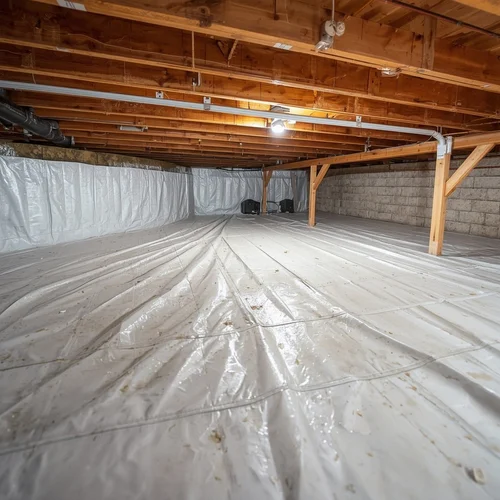
Quick Answer: A crawl space gets damp and drafty because moisture rises from the bare earth below and humid or cold outside air flows in through vents and gaps. Without a ground moisture barrier, proper sealing, and insulation, the crawl space stays wet and breezy — and because air moves upward through the house, that damp, cold air ends up affecting your floors and rooms above. The result is cold floors, drafts, musty smells, higher energy bills, and moisture problems like mold and wood rot. Sealing, a moisture barrier, and insulation fix the root causes.
The crawl space is out of sight, so it's easy to ignore — until the floors above it are cold, the house smells musty, or you're fighting moisture problems you can't trace. A damp, drafty crawl space is more than an unpleasant corner of the home; what happens down there rises up and affects the whole house above it. Understanding why crawl spaces get wet and breezy in the first place explains both the discomfort upstairs and what it takes to fix it for good.
What Happens in the Crawl Space Doesn't Stay There
The key thing to understand about a crawl space is that it's connected to the rest of the house by air. Air moves upward through a home — warm air rising pulls air up from the bottom — so the damp, cold, sometimes musty air in the crawl space gets drawn up into the living space above. That's why a problem in a place you never go still shows up as cold floors, drafts, and odors in your rooms. A wet, drafty crawl space isn't an isolated issue; it's the foundation of comfort and air quality problems throughout the house.
Why It Gets Damp
Moisture From the Ground
Most crawl spaces sit over bare earth, and the ground releases moisture into the air constantly. Without a barrier between the soil and the crawl space, ground moisture rises, keeping the space humid and damp. This is the single biggest source of crawl space moisture, and it's why a ground moisture barrier matters so much.
Humid Outside Air
Many crawl spaces have vents that let outside air in. In humid weather, that warm, moist outdoor air enters the cooler crawl space and condenses on the cool surfaces — wood, ductwork, pipes — adding even more moisture. Rather than drying the space out, outside air often makes it damper, especially in humid conditions.
Water Intrusion
Poor drainage around the foundation, gaps, or leaks can let actual water into the crawl space, pooling on the ground and keeping everything wet. Standing water and chronic dampness feed the moisture cycle and the problems that come with it.
Why It Gets Drafty
The drafts come from air leaks and uninsulated, vented openings. Outside air flows in through foundation vents, gaps, cracks, and unsealed penetrations, and because air moves up through the house, cold crawl space air gets pulled up into the floors above. An uninsulated, unsealed crawl space essentially leaves the bottom of your house open to the outdoors, which is why the floors over it feel cold, and the rooms feel drafty.
| Problem | Cause | Effect upstairs |
|---|---|---|
| Dampness | Ground moisture, humid air, water intrusion | Musty smells, mold, wood rot |
| Drafts | Vents, gaps, no insulation | Cold floors, drafty rooms |
| Cold air rising | Air moves up through the house | Higher bills, discomfort |
Why It Matters and How It's Fixed
A damp, drafty crawl space causes real problems that affect the whole home: cold floors and drafts, higher energy bills as the house loses conditioned air and gains damp, cold air, musty odors that rise into the living space, and moisture damage such as mold growth and wood rot in the floor structure. Left alone, the moisture can degrade the very wood holding up your floors. The fixes target the root causes: a ground moisture barrier to stop soil moisture from rising, sealing the vents, gaps, and penetrations that let outside air and moisture in, and insulation to keep the space and the floors above it from being at the mercy of the outdoor temperature. Together, these turn a wet, breezy crawl space into a dry, sealed one, which translates directly into warmer floors, lower bills, and a fresher, healthier house above.
Persistent crawl space moisture can lead to mold growth and wood rot in your floor framing — the structure holding up your floors. A musty smell rising into the house or visibly damp, discolored wood underneath is a sign to address the moisture before it damages the structure, not a problem to keep ignoring.
Frequently Asked Questions
The main reason is moisture rising from the bare ground below — soil releases moisture constantly, and without a barrier, it evaporates up into the crawl space. Humid outside air entering through vents adds more, condensing on the cool surfaces, and any water intrusion from poor drainage or leaks makes it worse. Together, these keep the space wet. A ground moisture barrier, sealing, and addressing water intrusion are what dry it out and stop the moisture cycle.
Because cold, drafty crawl space air rises into the floors above. Air moves upward through a home, so when the crawl space is uninsulated and full of outside air coming through vents and gaps, that cold air gets pulled up into your living space, making the floors over it feel cold. An uninsulated, unsealed crawl space essentially leaves the bottom of the house open to the outdoors. Sealing and insulating it keeps the floors above much warmer.
Yes, more than most people realize. Because air moves upward through a home, the damp, cold, sometimes musty air in the crawl space gets drawn up into the living space above. That's why a wet, drafty crawl space shows up as cold floors, drafts, musty odors, higher energy bills, and even air quality issues throughout the house. What happens in the crawl space doesn't stay there — it's connected to the comfort and health of the whole home.
It's a common assumption that vents dry out a crawl space, but in humid weather, they often do the opposite. Warm, moist outside air entering through the vents condenses on the cooler crawl space surfaces, adding moisture rather than removing it. That's a major reason many crawl spaces stay damp. Sealing the vents and gaps, along with a ground moisture barrier and insulation, is generally a more effective approach to keeping a crawl space dry than relying on venting.
The fixes target the root causes: install a ground moisture barrier to prevent soil moisture from rising, seal the vents, gaps, and penetrations that let in outside air and moisture, and add insulation to protect the space and the floors above from outdoor temperatures. Addressing any water intrusion from poor drainage is part of it, too. Together, these turn a wet, breezy crawl space into a dry, sealed one, which means warmer floors, lower bills, and a healthier home above.
Dry and Sealed Below, Comfortable Above
A damp, drafty crawl space comes from ground moisture rising, humid or cold outside air flowing in, and a lack of sealing and insulation — and because air moves up through the house, those problems become cold floors, drafts, musty smells, and moisture damage in the home above. It's not an isolated corner; it's the foundation of comfort and air quality upstairs. A ground moisture barrier, proper sealing, and insulation fix the root causes, turning a wet, breezy crawl space into a dry, sealed one and a more comfortable, efficient house overall. Because the crawl space sits at the base of everything, fixing it pays off in nearly every room above.
Cold floors and musty smells coming from below? — Get your crawl space sealed, moisture-protected, and insulated by a homeowner-focused team. Airflow Pro Insulation serves St. Joseph, Savannah, Country Club. Call (816) 344-6516.
